










English


Gameplay
MIR4 New Spirit summoner gameplay!




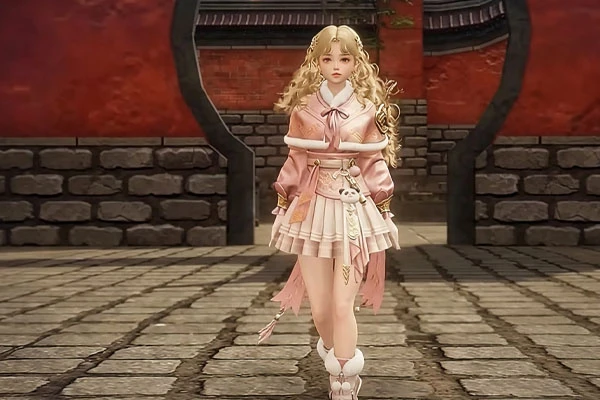
MIR4 has been running for five years. A handful of new classes arrived during that time, but the roster never strayed far from the core roster—Warrior, Taoist, Sorcerer, and Assassin—all variations on "melee soaks damage, ranged deals damage, support heals." Then the Spirit Summoner was announced. Miho stepped into the trailer with a Magic Wand in one hand and a Doll in the other, and the established pattern began to shift.
The Spirit Summoner's Design Direction
The numbers have not yet been proven in actual combat, so judging the class by stats alone would be premature. What separates the Spirit Summoner from previous classes is the decision to build both offensive support and personal damage into the same kit. Capable of summoning seven elemental spirits for sustained combat, the class carries an official designation as a Dealer-type Buffer—a role that delivers damage while amplifying the party. In MIR4's earlier class structure, dealing damage and providing support were typically distinct responsibilities. The Spirit Summoner attempts to merge the two within a single framework. Through the spirit-summoning design, players can advance both lines simultaneously without having to choose one over the other.
Weapon Setup and the Spirit Framework
In terms of equipment, the Spirit Summoner wields a Magic Wand as her main weapon—a familiar choice among caster classes. The secondary weapon, however, is where the class distinguishes itself: a Doll.
The Doll: Far from a cosmetic accessory, the Doll serves as the conduit for summoning and directing elemental spirits in battle.
Seven Elements: Miho calls upon spirits across seven elemental affinities—Light, Water, Earth, Wind, Fire, Forest, and Darkness. While the full skill list has not been officially released, the class's intended role offers a reasonable basis for estimating how different spirits will function:
Fire and Darkness lean toward damage output.
Water and Earth handle crowd control and damage reduction.
Wind and Light suit mobility and buffing.
Forest sits between recovery and sustained damage.
Coordinated Combat Between Summoner and Spirits
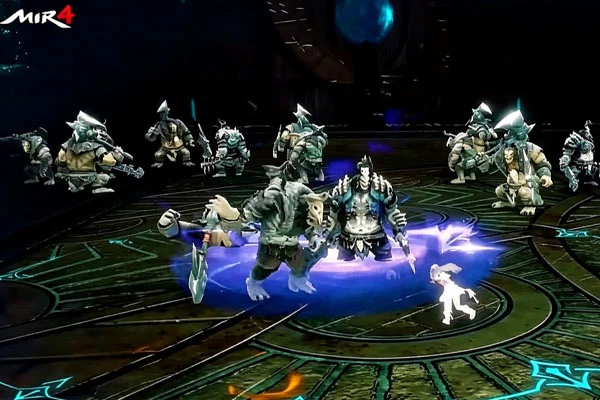
The seven spirits are not brief apparitions that strike once and vanish. They remain active throughout the fight, and Miho adjusts which spirits are deployed and how they are commanded based on how the battle unfolds, weaving different elements into a continuous offensive rhythm. The Doll keeps the spirit framework running; the spirits maintain their battlefield presence; Miho herself attacks with the Wand while applying buffs and debuffs to shape the flow of combat. This setup departs from the conventional summoner archetype. Older summoning classes in the genre tend to lean heavily toward one side—either the summoned creature does the heavy lifting while the caster hides, or the caster is the primary threat and the summon is an afterthought. The Spirit Summoner emphasizes genuine coordination between the two.
Spirits take on front-line engagement and sustained pressure. Miho operates from a safer position, casting spells while providing buffs or applying debuffs. This arrangement allows character and summons to operate as two parallel but interlocking forces. Rather than constantly switching between casting personal skills and managing summoned units, players adjust spirit types and skill sequencing based on the situation at hand.
A New Direction for MIR4's Class Roster
The Dealer-type Buffer category did not exist in MIR4 before this. Veteran players know the standard arrangement: the support slot is a role that sacrifices personal stats for team benefit—unimpressive on the damage board but valued by every party member. The Spirit Summoner breaks that convention. She buffs the team without pausing her own damage output. She applies attack boosts to allies, slows and weakens enemies, all while her Wand and spirits keep dealing damage.
This design opens up new possibilities for team composition:
Team Buffs: Full-party attack boosts.
Enemy Control: Slows and weakening effects on opponents.
Sustained Personal Damage: The Wand and spirits deal damage throughout.
The result is flexibility that did not previously exist—whether to bring a dedicated support that occupies a party slot is no longer a binary decision, because the Spirit Summoner covers two roles at once.
PvE Farming and PvP Team Fighting
PvE: Wide AoE and Sustained Output
The PvE strengths are straightforward: large-area AoE attacks. Elemental skills cover broad zones, and combined with continuous spirit damage, the farming speed should place the class among the top tier. Large-scale hunting, material grinding, daily quest clearing—these are the scenarios where the Spirit Summoner's ceiling looks most promising. The combination of ranged damage and spirits absorbing hits at the front also keeps survival pressure far lower than what melee classes face, particularly in high-density monster zones. There is no need to wade into packs and eat hits directly; the spirits hold the line while the caster fires from the back.
PvP: Sustained Pressure and Team Coordination
The PvP side is more nuanced. This is not a burst-kill class. Its value lies in applying pressure—slowing enemy movement, reducing their damage output, and raising the attack power of allies at the same time. In team fights, a well-played Spirit Summoner can disrupt an opponent's core position more effectively than bringing a second pure damage dealer. Her personal damage is also significant enough that opponents cannot afford to ignore her.
If ignored: She deals sustained damage unchecked.
If targeted: She drains the opponent's attention and resources.
This dual-pressure dynamic adds a new variable to MIR4's existing PvP environment. One caveat requires live-server verification: her survivability. The ranged-plus-spirit-tanking setup works well in PvE, but in PvP, opponents will not politely attack only the spirits while leaving Miho untouched. Whether her mobility and self-defense skills hold up under focused pressure will only become clear after the August 18 launch.
Pre-Registration Open—Launch on the 18th
Pre-registration began on August 4 and runs through August 18 at 07:00 (UTC+8), with the official launch arriving the same day. The regional rollout follows this order: Taiwan → Thailand → Japan → Philippines.
Important: Pre-registration requires selecting a specific character to receive rewards. Once confirmed, the selection cannot be changed—choose carefully which character will create Miho before finalizing. The pre-registration page is accessible through the MIR4 5th Anniversary event site. Log in, select a character, and the process is complete in a few steps.
Concurrent 5th Anniversary Events
The anniversary celebration also brings an original theme song—"Where the Mountain Peaks End"—with an accompanying music video, plus a roulette event (August 4 through September 8, spin for rewards by completing daily missions) and a five-month Boosting World growth acceleration period. With the anniversary events and the new class launching together, August represents one of the highest content-density periods MIR4 has seen in recent years.
The Spirit Summoner is MIR4's boldest move in five years. This is not a minor revision to an existing template—it opens an entirely new class direction: damage-dealing support, seven-element summoning, the Doll as a combat medium, and an uninterrupted combat rhythm. Whether the numbers hold up will only be known after a few days of live testing post-launch. But from a design standpoint alone, a team willing to step outside its comfort zone in the fifth year of operation deserves attention. For anyone planning to start a Miho character on the 18th, pre-registration has one week remaining—do not wait until the deadline.


