









English


Guide
What Makes Class-Specific Weapons Stronger Than Generic Weapons in Legend of Ymir?



Each of Legend of Ymir's five classes is bound to its own exclusive weapon. The Berserker wields a great axe and shield, the Warlord carries a spear, the Skald plays a harp, the Völva channels magic through a staff, and the Archer draws a bow. There is no such thing as a universal main-hand weapon that all classes can equip. The weapon is the class's ID card. What makes exclusive weapons stronger? The answer does not lie in stat panels. It lies in three layers of design: skill activation, attack form, and class synergy.
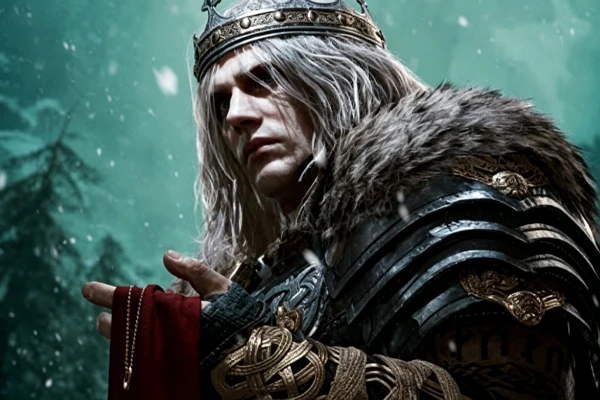
The Exclusive Weapon Is the Key to Your Skill Tree
Class-specific skills can only be used when the matching weapon is equipped. If the weapon type is wrong, every icon in the skill bar goes gray.
- The Berserker's axe enables Counterattack, Roar, and Wolf Fang. Swap to any other weapon type and these skills shut off entirely.
- The Warlord's spear activates Charge and Impale. Without the spear, every mobility skill is locked.
- The Skald's harp drives the Song of Valhalla and Poem of Shield. No harp in hand means no healing and no resurrection.
- The Völva's staff controls runes and elemental magic. The Archer's bow deploys traps and weakening debuffs.
An exclusive weapon is not strong because of its numbers. It is strong because it is a key. Five weapons unlock five separate skill trees. Without the right weapon, an entire skill system stays offline.
The Attack Form of Each Weapon Defines How the Class Plays
The five weapons differ completely in range, speed, and strike pattern. These differences directly determine each class's positioning and combat rhythm.
- The Berserker's great axe and shield form a heavy melee combination. Attacks are slow but each hit lands hard. The shield enables the block-counter rhythm. Stand at the front and trade blows face to face.
- The Warlord's spear is a mid-range rush-down weapon. Attack speed is high and movement skills are abundant. Tear open the enemy formation with charges.
- The Skald's harp is a support-oriented attack form. Skills center on area healing and buffs. Position behind the frontline to keep the full party covered.
- The Völva's staff is a ranged magic weapon. Spells have a casting delay but cover wide areas. Fire for burst, lightning for AoE, ice for control. Keep your distance.
- The Archer's bow is a ranged tactical weapon. Trap placement and debuff skills control enemy movement. Effective at both long and close range.
The attack forms of these five weapons define five different sets of positioning and pacing. This is not written into the stat sheet. It is granted by the weapon type itself.

Weapon Enhancement and Skill Multipliers Scale Multiplicatively
The exclusive weapon holds a critical position in the progression chain. The weapon's base stats are multiplied by the skill's damage multiplier to produce the final output number.
- Weapon enhancement raises base attack and penetration. Skill books raise the multiplier. The higher the base stats, the larger the number that gets multiplied out. Both sides are necessary.
- The game includes a class-change system. Players can freely switch between all five classes. Switching classes means switching exclusive weapons, and each weapon maps to a different skill tree and combat style.
- Once you lock in your main class, maxing out its corresponding weapon concentrates your progression investment. Spreading resources across multiple weapons leaves every one of them stuck at mid-tier, and no class reaches its ceiling.
An exclusive weapon's strength is the product of three linked variables: weapon enhancement level, skill book level, and class passive bonuses. It is not about one weapon having a few more stat points than another.
How Exclusive Weapons and Armor Accessories Fit Together
Once you lock in your exclusive weapon, the enchantment direction of your armor and accessories follows the weapon's damage type. The Berserker's axe deals physical damage, so accessories and Blazon engravings stack physical damage and smash damage to match. The Skald's harp relies on skill effects, so enchantments prioritize skill cooldown and survival stats. The Archer's bow depends on traps and debuff accuracy, so the Blazon prioritizes PvP penetration. The weapon type determines the damage direction. If your armor enchantments do not align, the weapon's enhancement level means little. The output chain snaps in the middle. Five weapons, five class identities, one rule: enhancement, enchantment, and skill level must all point in the same direction. Align all three and the loop closes.
Legend of Ymir has no truly universal main-hand weapon. Five classes, five weapons, five separate skill trees. An exclusive weapon is stronger because of three things: it is the key that unlocks your skill tree, it defines how your class positions and fights, and it forms a multiplicative relationship with your skill multipliers. Max the weapon. Keep the skill books current. Commit to a class. Align all three and the output hits its ceiling. The class-change system gives you the freedom to explore, but getting any weapon to its ceiling still demands the full measure of investment. Not a single step can be skipped.


