












English


Gameplay
How to Survive Ambushes in ARC Raiders?




The first time I got ambushed in ARC Raiders, I did not even see where the shots came from before I was dead. Screen went gray, and fifteen minutes of looting vanished in an instant. If you have played this game, you know exactly how that feels. A few hundred hours later, something clicked: ambushes are not really about bad luck. They are about information gaps. Whoever spots the other guy first wins half the fight. And ARC Raiders throws a curveball that most extraction shooters do not — you are not just watching out for the dude camping the extraction point. You have also got ARC machines that camouflage themselves, track your movements, and dive-bomb you from above. This is not theory. These are the things that actually worked for me.
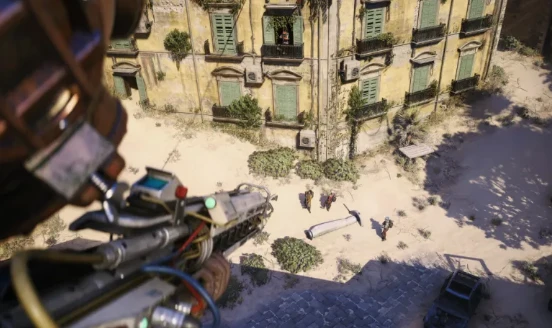
Spot the Signs Before the First Shot Lands
Ambushes in ARC Raiders are rarely as sudden as they feel. Most of the time, the warning signs were there — you just were not looking for them. I picked up a habit early on: every time I enter a new area, I stop for three seconds. Not to admire the scenery. To listen and scan. Here is what most people miss:
- Audio tells you everything: ARC machines have a distinct metallic rhythm to their footsteps — nothing like player movement. A Bark Spider lying in wait gives off this low, electric hum, the kind you would hear from a transformer about to blow. If you are wearing headphones and still cannot pick it up, try cranking environmental audio above 80% and dropping music to around 30%. That one setting tweak has saved me at least twenty times.
- Ping spam actually works: The ping system is not just for marking locations. If you ping suspicious bushes or building shadows and the marker comes back red or glitched, someone is hiding there. This trick is especially useful within 200 meters of an extraction zone.
- Broken patrol patterns mean someone has been through: ARC machine corpses in weird positions, or patrol routes that are suddenly empty — odds are another squad just passed through. And they might still be nearby, waiting.
None of these signals is a smoking gun on its own. But if you train yourself to track two or three at once, you will have a solid five to ten seconds of warning before an ambush springs.
Extraction Zones Are Not Your Finish Line — They Are the Kill Box
The extraction phase is where ambushes peak, and it is not even close. Some people camp extraction zones not to leave, but to take your stuff on the way out. I got farmed so many times on Spaceport that I eventually built a whole pre-extraction checklist in my head. The core idea is simple: the extraction point is not your destination. Getting out alive is.
- Never run straight toward the extraction point. Always circle around and approach from the side or rear, using terrain to break line of sight. You want to see the extraction zone before anyone in it sees you. If there is gear on the ground or a body that should not be there, bail and find another exit.
- Carry a smoke grenade or a decoy. Smoke covers those last ten seconds when you are locked into the extraction animation. A decoy thrown in the opposite direction fools most players and ARC machines that rely on audio cues. Do not tell me you do not have the inventory space — one slot for your life is a trade I will take every time.
- If you hear gunfire, do not rush in to clean up. Shots near an extraction zone usually mean two teams are going at it. You would be the third team showing up — and you are rarely the one doing the cleanup.
One time I had a full bag of high-value components, and about 150 meters from the extraction point I heard the faintest reload click. Not an ARC. A player. I turned around immediately, looped all the way to the backup extraction point on the other side of the map. Took me three extra minutes, but I made it out. Checked the kill replay after — two guys with shotguns had been crouched right where I was about to walk.
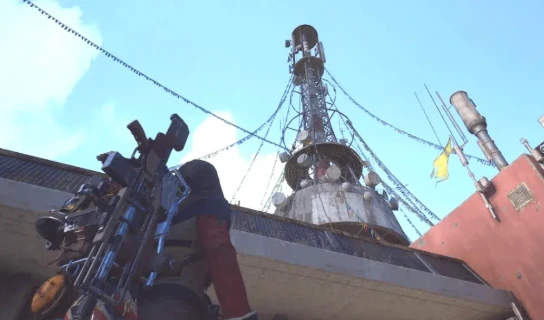
Your First Three Seconds Under Fire Decide Everything
When the ambush hits, most people instinct is to dive for cover. That is fine — but only after you figure out whether you are dealing with ARC or players. The response logic is completely different for each. If an ARC machine jumps you — say a Bark Spider uncloaks or a Firefly swoops down — your best move is to sprint in the opposite direction and break line of sight with obstacles. ARC AI has a brief re-acquisition window when it loses visual contact, and that is your moment to reposition. If it is players, whether you sprint depends on their weapon. Someone has got a shotgun trained on your face? Running is just giving them an easier shot.
- ARC ambush: Identify the machine type while you are already moving. Bark Spiders hit hard up close but turn slow — circle them. Fireflies are accurate at range but fragile — find cover and counter with precision weapons. Comets drop area-of-effect explosives, so do not bunch up with your squad.
- Player ambush: If the first shot does not drop you, immediately throw smoke or a decoy between you and the shooter, then change direction. Do not run straight to cover — lateral movement breaks their pre-aim.
- Regardless of what hit you, do not stay behind the same piece of cover for more than five seconds. ARC AOE abilities and player grenades will land exactly where you decided to hunker down.
Turning a fight around is not about how clean your aim is. It is about whether you can disrupt the attacker rhythm in those first three seconds. If their opening burst does not finish you, the momentum starts to shift.
Stop Trying to Outgun Them — Make Them Reveal Themselves First
At some point I changed my whole approach: instead of reacting to ambushes, I started creating situations where the ambusher has no choice but to blow their cover. Both ARC AI and human players share the same weakness — they react to unusual audio and visual disturbances. Exploit that, and you can flush threats out of hiding. This works especially well against PvP campers, because players are way more likely than AI to make a dumb move when they get jumpy. Fake footsteps from a decoy device? Half the time, some guy crouching in a bush will twitch his camera to check — and that tiny movement is all the tell you need.
There is one tool people sleep on constantly: the decoy grenade. Toss it into the distance, and it simulates gunfire and footsteps. ARC patrols get drawn to it, and anyone camping nearby is forced to react. You do not have to find the ambusher yourself — let the ARC machines do the scouting. Smart play is not about winning every fight. It is about making sure the fight happens on your terms, not theirs.


