











English


Guide
AION 2 What to Do After Max Level




After reaching level 50, character growth in AION 2 shifts from "leveling" to "gear score progression"—entry thresholds for Expedition dungeons are determined by gear score, not character level. This means every step forward after max level requires first crossing the corresponding gear score threshold, then using dungeon rewards and crafting materials to upgrade equipment and unlock higher-difficulty content. Crafted gear holds far greater value than random drops at this stage—a weapon that has been progressively enhanced through the crafting route offers better stat stability and a higher growth ceiling than an identically named item that drops directly from a dungeon. At the same time, the quality evolution of three permanent equipment slots—the belt, amulet, and pendant—is the most easily overlooked yet most reliably rewarding investment direction after max level.
Your Gear Score Determines How Far You Can Go in Expeditions
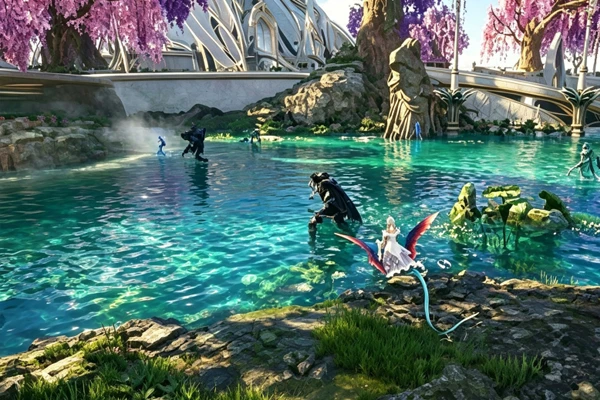
The first core content encountered after max level is Expedition dungeons. Unlike the dungeons of the leveling phase, Expeditions have clear gear score thresholds—the Citadel of the Fallen Daeva requires an item level of 3,800 or above to enter, while the higher Despair and Hell difficulties demand an even stronger equipment foundation. Expeditions are not only the primary source of Heroic-grade armor and crafting materials, but also serve as "guaranteed progress" for weekly combat power advancement—materials obtained upon completion can be directly used for equipment enhancement or sold for Kinah.
When gear score falls short, go back and complete all missed Sealed Dungeons and Stronghold outposts. Each Sealed Dungeon provides Enhancement Stones and Devian Crystals, while Strongholds supply belt upgrade scrolls and also accumulate Devian Crystals—the core resource for pushing the Stigma skill tree from level 12 to level 16. The gear score thresholds for Sealed Dungeons and Strongholds are far lower than those for Expeditions, making them the most direct path to bridging the gap between max level and Expedition entry.
Crafted Gear Is Better Than Drops
In the current version, gear and weapons crafted through the production route outperform random dungeon drops in both stat ceiling and growth controllability. The advantage of the crafting route lies in inheritance—using the transfer crafting function, the enhancement level and Soulbind progress of a previous weapon can be fully migrated to the next one. The weapon crafting path progresses from a Crimson or Obsidian weapon to a Horn Dragon weapon, and the materials consumed along this route can be obtained from open-world content, Expeditions, raids, and dungeons, or purchased directly from the market with Kinah. If crafting skill levels are insufficient, prioritize leveling Handicrafting to 40—the Blue Brooch is a universal piece of equipment for all classes, and the return on Handicrafting investment covers the entire account.
How to Make the Most of Permanent Equipment Slots
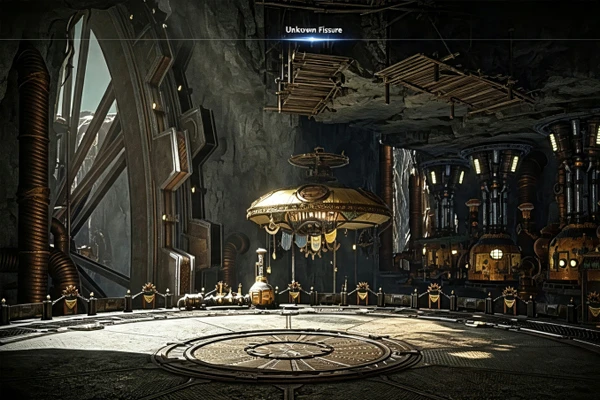
The belt, amulet, and pendant are the three most distinctive pieces of equipment after max level—they do not belong to the conventional drop system but instead accompany the character's growth through quality evolution as "permanent slots." This means a better belt will not drop in next week's new dungeon to replace the current one—the belt currently equipped is the final belt, and only its quality still needs to be advanced step by step.
The belt upgrade direction is: enhance the base belt to +10 to evolve it to Rare grade, then enhance again to +10 to evolve it to Unique grade. Belt Enhancement Scrolls come from Stronghold outposts and Outpost content. The amulet follows the exact same path—Enhancement Scrolls are obtained through the 140 feathers scattered across the map, with quality evolving tier by tier. The pendant is obtained during the level 45–50 main questline; the green-grade Draconic Pendant follows the same +10 enhancement rhythm to evolve sequentially into Blue and Unique grades, with the Awakening Gauge filled through main quests, side quests, Sealed Dungeons, and Exploration Outpost missions.
After these three pieces of equipment reach Unique grade, temporarily pausing their upgrade is recommended. Unique +10 is the cost-efficiency balance point in the current version—beyond this node, the number of Enhancement Stones consumed per level rises sharply, while the stat return increases only marginally. Rather than piling materials into marginal upgrades on a single piece of equipment, allocate the remaining resources to Manastone socketing, Arcana Card collection, and Genius Insight re-rolling—combat power slots that have yet to be filled.
What Opportunities Arise When Rifts Open
Spacetime Rifts are periodic events that cannot be ignored after max level—they open approximately every four hours, last for about ten minutes, and generate purple portal entrances on the enemy faction's map. During a rift, Sealed Dungeons and Strongholds on the enemy map are simultaneously refreshed—these dungeons cannot be accessed while the rift is closed. Spy quests within rifts reward rare weapons and exclusive titles, while Rift Guardians drop Ancient Relics and Medals—the latter being key materials for crafting high-grade equipment. The core principle when participating in rift content is to focus on mission objectives rather than random PvP engagements—rift time is limited, so prioritize dungeon clearing and material collection, and choose evasion over combat when encountering enemy players.
Four points worth noting:
Crafting Economy: Handicrafting and Alchemy are the most stable sources of Kinah—Handicrafting produces universally usable accessories for all classes, while Alchemy and Cooking consumables enjoy demand that does not vanish with version updates. After max level, prioritize leveling one of these to 40.
Nightmare Currency: The Nightmare currency spending order for 14 weekly runs is: Season 2 Colossus, Nightmare Wings, cosmetic skins—the Nightmare Wings' passive Smite attribute delivers a far greater PvE damage boost than other wings of the same tier.
Essential Trial: At three runs per week, yields Enhancement Stones and Stigma materials, and is a fixed weekly activity that cannot be skipped—it stands alongside Sealed Dungeons as core daily content.
Genius Insight: Re-roll the entire first Genius Insight page for PvE offensive stats—Smite, Weapon Damage Boost, Attack Bonus, and Critical Hit. Positions 3, 6, and 9 carry the highest re-roll priority.
In AION 2 after max level, the experience bar no longer measures progress—gear score is the new yardstick, Expeditions are the markings on that yardstick, and the quality evolution of permanent equipment slots is the steady climb between each marking. The quality of the amulet, belt, and pendant advancing from Normal to Rare to Unique—each enhancement tier is a deterministic upgrade that does not depend on luck. By contrast, crafted weapons and random drops from Expeditions—equipment in these slots will be replaced as versions update and higher-difficulty content opens up, so investment should be kept within a range that can be recouped within a single version cycle. Spend the bulk of materials on permanent slots, place Kinah accumulation in the daily output of Handicrafting and Alchemy, and reserve the rift time window for enemy map dungeon clearing and material gathering—these three things form the backbone of the post-max-level daily loop. Max level is not the finish line; it is the starting point from which gear score begins its climb upward from 3,800.


