












English


Gameplay
How to Build the Flatwoods Hideaway in Fallout 76




In Fallout 76, a C.A.M.P. is not only an important location for players to store items, craft equipment, and rest for recovery, but also a space where they can showcase their personal aesthetics and creativity. As players spend more time exploring the wasteland, many hope to create a private base that matches their own style instead of simply placing a few workbenches in a temporary location.
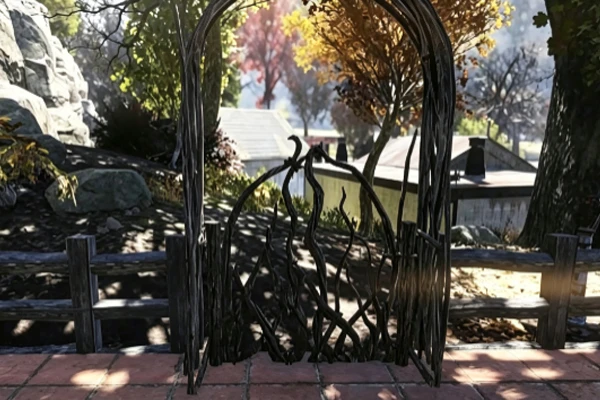
The area surrounding Flatwoods—a well-known, scenic location in the early game—is highly suitable for creating a unique, immersive home. This region features lush forests, old roads, winding rivers, and classic wasteland environments, making it easy to design a cozy, hidden shelter. By making proper use of the terrain, selecting suitable building materials, and matching furniture and decorations, you can transform an ordinary plot of land into a small survival base full of life and atmosphere, rich in environmental storytelling.
Choosing the Location Around Flatwoods
Before starting the construction of your Flatwoods hideaway, choosing the right location is a crucial step. Many players simply look for the flattest open area to place down their foundations. However, if the surrounding environment is ignored, the final camp may lack unique characteristics. An excellent location should not only be convenient to access but should also blend with the surrounding scenery, making the building appear like a natural shelter existing within the wasteland world.
The biggest advantage of the Flatwoods area is its rich environment. You can use existing forests, roads, and terrain variations to create a more realistic visual effect for your camp. Compared to completely flat, empty areas, locations containing natural elements are much easier to transform into hidden bases, survival cabins, or cozy wasteland settlements.
Finding a Suitable Terrain Area for Construction
When choosing a building location, spend some time observing the environment. Good topography can reduce the trouble of adjusting foundations later and make the entire camp look more coordinated. Some locations may have large open spaces, but uneven ground or boring scenery can make the finished camp appear empty. Around Flatwoods, there are many small areas suitable for construction, such as forest edges, clearings near roads, and spots close to natural rivers.
Suitable locations usually include:
- Relatively flat ground that makes it easier to place initial foundations.
- Natural decorations such as existing trees, rocks, and foliage nearby.
- Proximity to roads or landmarks for quick navigation and access.
- Nearby resource nodes (like wood or water) or regular exploration routes.
While many players enjoy building large, massive bases, small hidden camps are often much easier to make unique. A small cabin located in the forest, combined with simple fences, warm lighting, and scavenged furniture, can create a strong wasteland atmosphere. When choosing a location, you can also consider future expansion needs. If you plan to add more rooms, display areas, or defensive structures later, make sure to reserve enough space within your C.A.M.P. radius in advance.
Using the Map Environment to Increase Realism
The biggest strength of a Flatwoods hideaway is that you can use the surrounding environment to create a more natural appearance. You do not necessarily need to clear everything away or build a completely independent, modern structure. Instead, choose to preserve parts of the natural environment. Buildings in the post-apocalyptic wasteland usually do not look clean and perfectly organized. They are often repaired, patched up, and modified continuously within damaged surroundings. Therefore, when designing your hideaway, intentionally keep a sense of imperfection.
For example:
- Use old dirt roads or paved pathways as your entrance paths.
- Keep nearby trees close to the walls as natural cover.
- Incorporate preexisting abandoned objects or structures as decorations.
- Allow your buildings to organically conform to the slopes of the terrain.
This type of design makes the camp feel like a place where a survivor has lived and adapted for a long time. When players share their camp designs within the community, they often discover that natural integration is more important than building size. A simple wooden cabin hidden among trees, combined with suitable lighting, can often be far more attractive than a huge but empty structure.
Building the Basic Structure of the Hideaway
After confirming the camp location, planning the building structure becomes the next important step. A Flatwoods hideaway does not need to be an extremely large base because the area already has strong environmental characteristics. Smaller buildings are often easier to blend into the surrounding scenery. You can design it according to your own gameplay habits, creating a simple resting point, a resource supply station, or a complete wasteland survival home.
During construction, daily usage requirements should be considered in advance. A beautiful camp without practical facilities can feel inconvenient every time you return. Therefore, the design should maintain a balance between aesthetics and functionality, allowing the hideaway to meet your needs for crafting and storage while showing off your personal style.
Building the Main Living Area
The core area of your hideaway is usually the main residence, which determines the overall style of the entire camp. Players can choose different building styles according to their preferences, such as simple wooden cabins, makeshift wasteland shelters, metal-built structures, or hidden underground bases.
When designing the living area, consider the following:
- Set up a main resting room or bedroom.
- Place beds, instrument chairs, and essential storage space.
- Reserve distinct areas or shelves for displaying rare items and collectibles.
- Keep interior movement routes smooth and unobstructed.
There is no need to overcrowd the house with furniture. A clean, reasonable space arrangement feels much more comfortable. For example, a Stash Box placed against the wall, a simple mattress, and a small writing desk can form a complete survival space. If you want to add more storytelling elements, you can design themed rooms, such as an old-world research lab, a wasteland hunter’s resting place, or a hidden terminal room belonging to a Free States survivor.
Planning Crafting and Functional Areas
A camp is not only a place for display but also a functional hub that you will frequently visit during daily gameplay. Therefore, arranging functional areas properly is very important. If workbenches, Stash Boxes, and Scrapboxes are placed randomly, you will waste a lot of time every time you return to camp. A reasonable functional layout provides a much smoother gameplay loop.
Recommended arrangement:
- Group your crafting workbenches together in one workshop area or shed.
- Put a Stash Box and Scrapbox right near the fast-travel entrance or front door.
- Set up a separate cooking station or kitchen area.
- Keep the resting/buff area separate and quiet.
For example, after fast-traveling into the camp, you can immediately go to the storage area to dump junk collected during exploration, move to the workshop area to repair equipment, and finally enter the bedroom to sleep or play an instrument to recover your status buffs. This flow matches daily gameplay habits and makes the camp feel like a real, functional living location.
Adding Defensive Designs
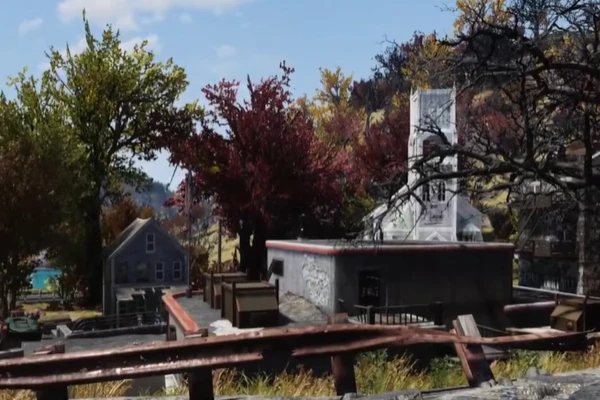
Although the Flatwoods area is located in the relatively safe forest region and does not frequently suffer high-level enemy attacks, adding some defensive designs still improves the overall completeness of the camp. Defensive structures not only provide protection but also enrich the appearance of the building. A small base with fences, observation points, and security equipment fits the wasteland survival theme perfectly.
Consider adding:
- Wooden spikes or junk-metal fences around the perimeter.
- A few strategically placed defensive turrets (kept minimal to save C.A.M.P. budget).
- An entrance guard post or inspection area.
- Elevated observation platforms or scaffolding walkways.
These designs do not take up too much space but significantly strengthen the atmosphere of the camp. For example, placing a small gate at the entrance and adding several spotlights can create a comforting feeling of "returning to a safe zone" when you run back to camp. At the same time, defensive areas can serve as excellent clutter decorations; toolboxes, old tires, and sandbags can be placed nearby to make the entire area feel more lived-in.
Decoration Tips for the Flatwoods Hideaway
After completing the basic structure, the decorations determine the final character of the camp. Buildings of the same size can look completely different depending on how details are handled. Some camps appear plain, while others are full of stories and atmosphere. The Flatwoods area already has natural environmental advantages, so you do not need to overcrowd the area with too many objects. By making proper use of furniture, lighting, and clutter, you can create a wasteland space with distinct personal characteristics.
Using Wasteland-Style Furniture
Furniture choices directly influence the theme of the camp. A Flatwoods hideaway is more suited to old-world, worn-down, or survival-style furniture rather than overly clean, modern decorations.
Try choosing:
- Weathered wooden tables, mismatched chairs, and benches.
- Rusted metal cabinets and lockers.
- Simple sleeping bags or framed canvas beds.
- Wasteland-style decor like animal heads, pelt rugs, or wall maps.
These items help the building match the world-building of Fallout 76. For example, a small room containing an old desk, a ham radio, and various desk clutter will have much more personality than a completely empty room. Decoration is not about adding as many objects as possible. If a room is packed with too many items, it can become visually chaotic. Pay attention to space proportions and maintain reasonable distances between furniture pieces.
Creating Signs of Daily Life
A truly attractive camp usually makes visitors feel that someone actively lives there. This feeling comes from small, deliberate details.
For example:
- Placing food items, plates, and bottles on tables.
- Hanging framed photographs or post-war paintings on the walls.
- Leaving tools, brooms, or gas cans in corners.
- Scattering miscellaneous junk objects around the yard or workshop.
These seemingly insignificant items make the building feel grounded. The Flatwoods region is especially suitable for adding lifestyle-based designs because the surrounding environment already has the atmosphere of a rural, pre-war Appalachian valley. You want to create a shelter that appears actively maintained rather than an empty, sterile house that was just built.
Improving Overall Effects with Lighting
During the daytime, your hideaway relies on its natural surroundings to show its characteristics. At night, proper lighting can completely transform the mood of the entire camp.
Recommended lighting placements:
- Warm lanterns or string lights at the main entrance.
- Subdued indoor lighting (like candles, oil lamps, or low-wattage bulbs).
- Path guidance lights along walkways or stairs.
- Soft spotlights highlighting specific outdoor decorations or trees.
Lighting not only makes nighttime crafting and cooking easier but also strengthens the cozy shelter atmosphere. A small cabin hidden in the dark forest with warm lights glowing through the windows creates a strong sense of peace, giving you the impression that you have truly found a refuge from the dangers of the wasteland.
Frequently Asked Questions
Q1: Is the Flatwoods area suitable for beginners to build a C.A.M.P.?
Yes, it is highly recommended. The Forest region surrounding Flatwoods features very low-level enemies, a gentle environment, and plenty of water and wood resources. New players do not need advanced building techniques to create a great-looking camp here. You can start with a simple wooden cabin, place your basic crafting benches, and gradually add decorations as you unlock more plans through public events and exploration.
Q2: Do I need a large number of Atomic Shop items to make a good camp?
Not at all. Many players believe that creating a beautiful camp requires spending Atoms, but the default building structures and decoration plans obtainable natively in the game are more than enough to complete an impressive design. Atomic Shop items mainly provide alternative aesthetic styles or specific themes. The true factor that determines the quality of a camp is your layout, creative use of terrain, and how well you combine elements, not how many rare items you own.
Q3: How can I make my camp feel more like a hidden, secret base?
The key to creating a hidden base is environmental integration rather than building scale. To achieve this, try to minimize large, obvious concrete foundations, use existing thick trees and rock faces to obscure your walls, choose low-profile wooden or brick textures that match the environment, and let natural flora grow close to your structures. A compact cabin hidden tightly among the trees often creates a much stronger survival atmosphere than a massive, open structure designed for public display.
In Fallout 76, building a Flatwoods hideaway is a highly rewarding project that allows you to fully express your creativity. Its greatest appeal does not come from the sheer scale of the building, but from your ability to co-exist with the surrounding Appalachian environment. During construction, your choice of location determines the overall mood, the basic structure affects your daily utility, while furniture, lighting, and detailed clutter decide whether the camp has a unique soul. An excellent C.A.M.P. does not require massive space or rare premium items. By combining practicality with creativity, you can transform an ordinary forest clearing into a memorable survival shelter that perfectly reflects your own story in the wasteland.


