
















English


Gameplay
Camp Decoration Guide—Fallout 76




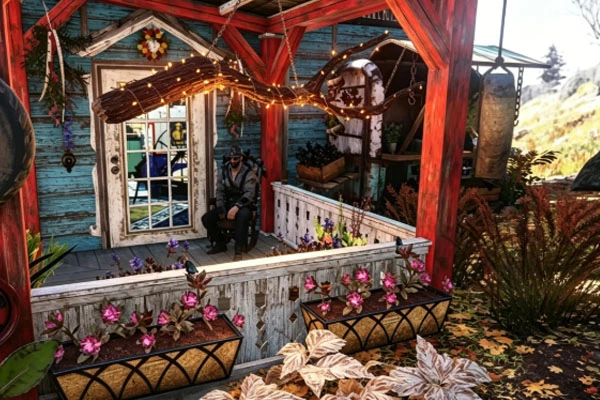
In Fallout 76, C.A.M.P.s are not only functional areas where players store items, craft equipment, and recover their status, but also important places to showcase personal creativity and gaming styles. After becoming familiar with the basic gameplay, many players begin exploring how to create a more unique camp, transforming it from a simple workstation into a private space filled with a sense of life and wasteland stories. From abandoned survivor shelters to industrial-style repair bases, and even clean modern camps similar to vaults, different players can use decorations to create their own wasteland homes.
The Importance of Camp Decoration
In the wasteland environment, a camp not only represents the player’s survival location but also reflects the character’s lifestyle in this world. Compared to simply placing workbenches and storage boxes, a decorated camp can give players a stronger sense of belonging while allowing visitors to experience a variety of building styles.
Decorations Can Improve the Camp Atmosphere
When many players first begin building a C.A.M.P., they usually focus on walls, floors, roofs, and functional equipment because these determine whether the camp can operate properly. However, after the basic structure is completed, the details of decoration often have the greatest impact on the overall appearance. An empty room can easily feel lifeless, even when fully equipped. After adding suitable furniture, lighting, and environmental items, the entire space becomes more like a real wasteland residence.
• Use old-world furniture to increase the feeling of living space and prevent rooms from feeling empty.
• Add abandoned machines, tools, and repair equipment to highlight the wasteland background.
• Adjust the atmosphere of different areas through lighting to create more depth.
• Use small decorative items to enrich details and make the camp feel more realistic.
For example, an ordinary metal building with only workbenches and storage boxes may look more like a temporary warehouse. However, adding tables, chairs, radios, plants, old books, and various daily supplies can transform it into a shelter where someone has lived for a long time. These details do not change functionality, but they can significantly improve the player’s experience when entering the camp.
Decorations Can Show Player Style
Every player has a different understanding of the wasteland world, so camp decorations can create completely different styles. Some players prefer clean and organized modern shelters, some enjoy abandoned scavenger bases full of clutter, and others like creating special locations such as shops, bars, or military outposts.
• Players who enjoy exploration can design traveler supply stations.
• Players who enjoy combat can create defensive bases.
• Players who enjoy collecting items can design display areas.
• Players who enjoy role-playing can arrange rooms based on character backgrounds.
The greatest fun of decoration is that there is no fixed answer. Players can freely choose building themes based on their character settings and gameplay habits. For example, a character who frequently explores the map may have a small mobile base filled with maps, tools, and resource boxes. A character who enjoys trading can create an open shop area, making it easier for other players to visit.
Decorations Give Camps More Storytelling
The world of Fallout 76 is filled with ruins, war remains, and survivor stories. Therefore, camp decoration is not only about appearance but also helps players create their own background stories. Many impressive player camps are not memorable because of their huge size, but because every area has its own purpose and meaning. For example, a room filled with repair equipment can show that the character is a mechanic responsible for maintaining gear. An area filled with food and water supplies can represent a long-term survival traveler. A room displaying large numbers of weapons can suggest that the character has experienced many battles. Through reasonable decoration arrangements, players can transform ordinary buildings into wasteland spaces with unique stories.
What Is Needed for Camp Decoration?
To create a complete and coordinated camp, planning the decoration direction in advance is very important. When many players first begin decorating their C.A.M.P., they often become unsure how to arrange items because the number of available objects continues to increase. They may place every piece of furniture, decoration, or building component they like into the camp, which can eventually make the overall style messy and unclear.Good camp decoration is not simply about adding more items, but about selecting suitable elements and combining them within limited space. Therefore, before starting decoration, deciding on a theme, preparing commonly used decorative items, and planning the space properly can make the building process smoother and create a more natural final result.
Choosing a Suitable Decoration Theme
Choosing a theme is one of the most important steps in camp decoration. After obtaining many decorative items, many players want to place everything they like into their camps, but this can easily create visual confusion. For example, industrial equipment, household furniture, and military facilities placed together may provide many items but lack overall unity.Before decorating, players can first decide what feeling they want their camp to present: a wasteland survivor shelter, a military defense base, a travel supply station, or a warm resting home. Once the theme is clear, selecting building materials and decorations becomes much easier.
• Wasteland styles can use metal structures, worn furniture, and industrial equipment.
• Home styles can include beds, tables, chairs, and daily necessities.
• Military styles can add defense facilities, equipment displays, and storage areas.
• Commercial styles can create open counters and trading spaces.
For example, to build a wasteland bar, players can add counters, seats, lighting, and drink decorations, making visitors feel like they have entered a survivor gathering place among the ruins. If creating a military base, players can add weapon displays, defensive equipment, warehouses, and monitoring areas, making the entire camp feel like a frontline outpost responsible for protecting resources. With a clear theme, not only does decoration selection become easier, but the overall visual effect also becomes more consistent.
Preparing Common Decorative Items
Camp decoration requires many different types of items, and each type serves a different purpose. Some decorations mainly improve appearance, some add a sense of life, and others make the camp more convenient to use. Many new players focus too much on large buildings or special decorations while ignoring the changes created by small objects.In reality, whether a room feels realistic often depends on these small details. Items such as cups on tables, pictures on walls, and toolboxes in corners can make a space feel like someone has actually lived there for a long time.
• Furniture items can increase the feeling of daily life.
• Lighting items can improve visual effects.
• Wall decorations can enrich building layers.
• Display items can highlight player collections.
When preparing decorations, players can choose different types according to different areas. Rest areas can include beds, sofas, tables, chairs, and decorative paintings to create a comfortable atmosphere. Crafting areas can include tool racks, repair equipment, and industrial decorations to make the space feel like a workshop. Display areas can showcase weapons, armor, or special collectibles to let visitors understand the player’s experiences.Reasonable combinations of different decorative types can make the entire camp more attractive.
Making Reasonable Use of Space
C.A.M.P. space is limited, so decoration must consider space utilization. If players only focus on appearance while ignoring practical use, movement may become inconvenient, or important facilities such as workbenches and storage boxes may become difficult to find.Especially for smaller camps, too many decorations can easily make areas crowded. Therefore, design needs to balance appearance and functionality, ensuring that every area has a clear purpose.
• Keep main pathways open for movement.
• Avoid excessive repeated decorations taking up space.
• Use corners to place small items.
• Combine decorations with functional areas.
Making reasonable use of space does not mean reducing decorations. Instead, it means allowing every item to serve a purpose. For example, players can use wall space to place display shelves and move decorations from the floor onto walls. Storage boxes and tools can be arranged in corners. Crafting areas can be designed as complete workshops rather than randomly placing multiple workbenches.
An excellent camp should satisfy both visual appeal and daily usage needs. For example, crafting areas can include tool decorations to feel like repair workshops; resting areas can include furniture to create comfortable living spaces; trading areas can have clear signs to make visits easier. Through proper planning, even a small camp can contain rich content.
Camp Decoration Tips
Camp decoration is not simply about placing items but also requires consideration of how different elements work together. Many players own a large number of decorations, but the final result still looks ordinary. The reason is usually not a lack of items, but a lack of proper combinations.Color matching, lighting placement, building structures, and environmental details all affect the final appearance of a camp. Through simple techniques, ordinary buildings can gain richer visual layers and create a more realistic wasteland atmosphere.
Using Lighting to Change Visual Effects
Lighting is a very important element in camp design. Many players ignore its role during construction and believe lighting is only needed for visibility. However, lighting not only affects nighttime vision but also changes the entire atmosphere of the camp. Different colors and positions of lights can create completely different feelings in the same building.
• Warm lighting is suitable for living areas and creates a cozy feeling.
• Cool lighting is suitable for industrial areas and highlights a technological atmosphere.
• Small lamps can emphasize decorative details.
• Outdoor lighting can enhance the nighttime atmosphere.
For example, an abandoned factory-style camp can use cool lighting combined with metal buildings to create a more mechanical appearance. A home-style shelter can use soft lighting to increase the sense of life and comfort. Installing lights at entrances improves the visitor experience, while adding lighting to work areas makes the space feel more realistic.Lighting can also help players divide different areas. Bright lighting can represent main activity zones, while darker lighting can create hidden spaces. Proper use of lighting allows camps to maintain unique styles even at night.
Adding Wasteland Environmental Details
One of the biggest features of Fallout 76 is its wasteland atmosphere. Therefore, adding worn and damaged elements during decoration can make camps better match the game world. Many players pursue clean designs, but making everything look like a modern building can actually reduce the survival feeling of the wasteland.
• Place old machines.
• Add repair tools.
• Use damaged furniture.
• Add messy but reasonable item arrangements.
These elements can simulate realistic survivor living environments, making camps look like bases that have been used for a long time rather than newly constructed buildings. For example, placing old boxes and repair tools near entrances can show that characters frequently organize resources. Adding abandoned machines beside walls can strengthen the industrial atmosphere. Old furniture in living areas can show traces of long-term residence.Decoration does not need every place to be perfectly organized. Adding some natural disorder can actually better match the world setting of Fallout 76. A camp with signs of use often feels more meaningful than a completely empty new building.
Creating Areas That Combine Function and Appearance
A good camp should not only look attractive but also be convenient for players to use. If decoration focuses too much on appearance while affecting crafting, storage, and movement, the overall experience will decrease. Therefore, when designing each area, players need to consider daily habits and combine decoration with functionality.
• Place workbenches together in crafting areas.
• Keep storage areas easy to locate.
• Add furniture decorations to resting areas.
• Highlight display effects in shop areas.
For example, crafting areas can be designed as repair workshops by placing workbenches, toolboxes, and mechanical decorations together. Rest areas can include beds, tables, chairs, and lighting to create comfortable spaces. Shop areas can use display cases and signs to attract other players.Combining functionality and decoration allows camps to have both visual appeal and practical value. A truly excellent C.A.M.P. is not just a building to look at, but a survival space that players can use for a long time while maintaining a unique style.
Common Player Questions
Why Does My Camp Look Empty?
In many cases, the problem is not insufficient building space but a lack of detailed decorations. Adding furniture, lighting, small decorations, and wall items can make the space feel richer.
Will Too Many Decorations Affect Usage?
Yes. If items are placed too densely, they may affect character movement and make the overall appearance messy.
What Should New Players Decorate First?
It is recommended to first improve basic areas. For example, complete crafting zones, resting areas, and storage areas before gradually adding unique decorations.
In Fallout 76, camp decoration is not only a building feature but also an important way for players to express creativity. An excellent C.A.M.P. does not necessarily need a huge size or a large number of rare decorations. As long as the theme is clear, the layout is reasonable, and enough details are included, it can become a unique wasteland space.For players who enjoy building, the decoration process itself is part of exploring the game world. From simple small shelters to survival bases full of stories, every placed item can reflect the player’s design ideas. Through combinations of furniture, lighting, wall decorations, and various wasteland elements, camps can develop a more realistic sense of life.When designing a camp, players can first determine the overall style and then gradually improve the details. There is no need to place a large number of items all at once. Instead, decorations should be arranged according to space size, allowing every area to have a clear purpose.
A comfortable, beautiful, and character-themed camp not only helps players complete daily activities but can also become an important resting place during wasteland exploration. A good camp is not simply a pile of decorations, but a place where players create their own stories within limited space.Whether it is a quiet shelter, a dangerous defensive base, or a commercial trading station full of activity, every style can show the player’s unique wasteland lifestyle through decoration.


