












English


Guide
Diablo 4 Rune Farming Guide: Where to Farm, Drop Rates, and When to Just Buy Them




The rune system didn't exist in Diablo 4 until the Vessel of Hatred expansion dropped with Season 6. Now it's the backbone of a lot of endgame builds — a single rune word can push your gear into a different tier. The catch? The rune you need is never the one that drops.
I've farmed enough runes to summarize it in four words: everything except what I want. After more boss runs and dungeon clears than I'd like to admit, I've figured out what's worth grinding and what you're better off just buying. Here's what I've learned.
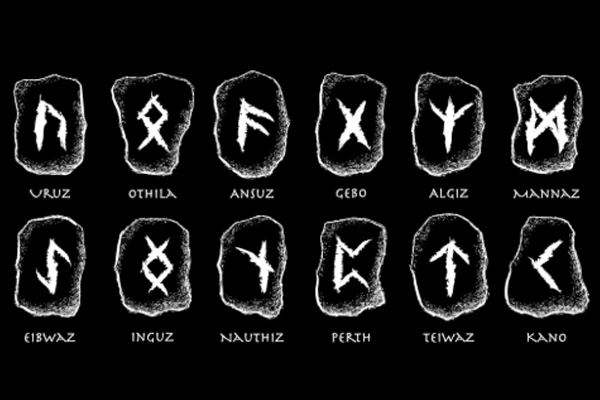
Know Your Rune Types First
D4 runes come in two flavors: Ritual runes and Invocation runes. A rune word requires one of each — no exceptions. Ritual runes generate Offering, which is basically energy you build up during combat. Invocation runes spend that Offering to trigger effects. Missing one type means the rune word doesn't work. Period.
I've watched players grind for hours and end up with a stash full of Ritual runes and zero Invocation runes, or the other way around. Check what you actually need before you start farming. It takes ten seconds and saves you a night of wasted runs.
Where to Farm — Ranked by Efficiency
Not all farming methods are created equal. Here's how they actually stack up, based on my own experience running each of them extensively since S6:
- Boss runs (Duriel & Andariel) — Best overall. These two drop legendary runes at a noticeably higher rate than any other boss, especially on Torment difficulty. I tracked a session of roughly thirty Duriel kills and pulled four legendary runes. Not mind-blowing odds, but nothing else comes close.
- Nightmare Dungeons — Decent, but treat it as a side hustle. Fewer drops per run and legendary runes proc less often than boss runs. The upside is you're also farming XP and glyph levels. If you need to level glyphs anyway, the rune drops are a solid bonus.
- Open-world events (Helltides, Legions) — Unreliable. It's not that they don't drop runes. It's that they're wildly inconsistent. You might clear an entire Helltide and see nothing, then pop a random chest five minutes later and snag a rare rune. Treat world events as supplemental — don't make them your primary strategy.
Rarity Tiers and What They Mean for Drop Rates
Runes come in three rarities — Magic (blue), Rare (yellow), Legendary (orange) — but not all runes within the same tier drop at the same rate. Some are just stingier than others. Here's a practical breakdown:
- Magic runes (e.g. Tec, Zan) — Farm freely. Tec is a magic Invocation rune that triggers the Spiritborn's earthquake. Zan is a magic Ritual rune that generates Offering when you cast an ultimate. Both drop often enough that you'll stack up a pile just from normal farming. Never spend real money on these.
- Common Rare runes — Farm unless you're in a rush. Most rare-tier runes drop reliably through boss runs and dungeons. If you play regularly, you'll collect what you need. Buying them only makes sense if you're really pressed for time.
- High-value Legendary runes (e.g. Ohm, Jah) — Strongly consider buying. These are the ones people complain about for good reason. There are players who go an entire season without seeing Ohm drop naturally. If your build needs one of these, farming alone is a low-percentage bet. You can grind for weeks and still come up empty.
Farm or Buy? A Practical Decision Framework
This is where most players get stuck. You don't want to waste money on something you could have earned, but you also don't want to burn thirty hours chasing a rune that never drops. Here's the framework I use:
- Magic runes and common Rare runes → Farm. Drop rates are high enough. Spending money on these is just wasteful. A few boss runs or dungeon clears and you'll have what you need.
- Mid-tier Legendary runes → Test first, then decide. Run twenty Duriel or Andariel kills and see what happens. If your rune drops within those twenty runs, you're done. If you go 0 for 20, do the math — you might need fifty, sixty, or more runs to see one. At that point, compare the time investment against just buying it.
- Top-tier Legendary runes (Ohm, Jah, and a couple others) → Buy. I know people who've gotten these through pure grinding, but they're the type who put in multiple hours every day for most of a season. If that's not you, don't beat your head against the wall. The time cost is real, and the drop rates are brutal.
How to Buy Runes Without Overpaying
Runes are simpler to buy than gear — no affix ranges, no stat rolls, a rune is a rune. But prices still swing a lot. I've seen the exact same rune listed at prices that differ by 30% or more across platforms. Some sellers charge a premium by dressing it up as "express delivery" when the actual delivery speed is basically identical. Shop around before you commit.
Timing matters too, but in a different way than gear. Gear prices follow a predictable curve — expensive at season launch, cheap by mid-season. Rune prices are messier because they're driven by build popularity. When a particular build blows up, the runes it needs spike hard. When that build falls out of the meta, prices crater. Before buying, spend a few minutes checking which builds are hot in the current season and whether the runes you need are caught up in the hype.
Rune prices are almost always inflated in the first two weeks of a season because everyone's rushing to gear up. By week three or four, things settle as more runes enter circulation. Unless you're in a real hurry, waiting a couple of weeks saves you a noticeable amount.
One more thing — don't buy runes one at a time. Figure out the full set you need for a rune word and buy them as a bundle. Most sellers will cut you a deal on a package. It's less hassle for them than selling piece by piece, and you save money.
A quick warning on "guaranteed rune" services: you'll see them advertised for a flat fee, promising to farm a specific rune for you. The pricing is usually based on the worst-case drop rate, but the service itself farms whatever's most efficient for them. The gap between those two numbers is the premium you're paying. And the delivery windows are often generous — "within two weeks" — which means two weeks after you've paid, you're still waiting, and good luck with the refund process. If you're going to buy, buy from a platform that sells actual in-stock inventory. Direct purchase, clear delivery time, money and goods exchanged on the spot. No drama.
The rune system isn't complicated. What's complicated is finding the balance between your time and your money that actually makes sense for how you play. None of this is about what's "right" or "wrong" — it's about what fits your schedule and your budget.
If you play a lot, most runes will come to you naturally. If you don't, buying the tough ones and farming the easy ones gets you to the same place without burning out. Either way, knowing which category your target rune falls into is half the battle. The other half is having the discipline not to overpay for something you could have picked up for free.


