










English


Guide
Diablo 4 on Switch 2: How It Runs




Diablo 4 finally made the jump to Nintendo Switch 2 on September 15, the same day Season of Hell's Legacy went live. It was not a quiet port either. Blizzard timed it to the franchise's 30th anniversary and bundled the whole game, both expansions included, into a single collection. The question every handheld player has been asking is the same one, though: how does it actually run?
The Age of Hatred Collection
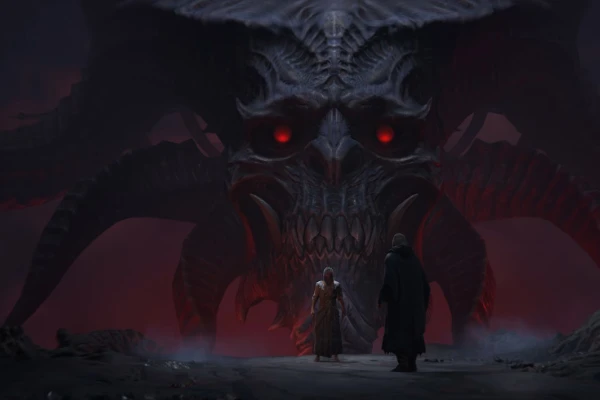
The Switch 2 version is sold as the Diablo IV: Age of Hatred Collection, priced at $69.99. That gets you the base game plus both expansions, Vessel of Hatred and Lord of Hatred, in one package. It is also the first time Diablo 4 has been playable on a Nintendo system, which closes a gap that has existed since the game launched. There is one catch worth knowing up front. It is digital only, or a code-in-a-box in some regions, not a full game card. That means the physical copy is really a download code, and once it is redeemed it cannot be resold or traded. You also need a constant internet connection and a linked Battle.net account to play at all, which is standard for Diablo 4 but worth remembering on a handheld.
Two Graphics Modes, No 60 FPS
Blizzard kept it simple with two presets, and neither one hits 60 frames.
- Quality mode runs at 30 FPS, 1080p in handheld and up to 1440p docked, and includes ray-traced reflections and lighting.
- Performance mode targets 40 FPS at 1080p in both handheld and docked, though docked 40 FPS needs a display with a 120Hz refresh rate.
- There is no 60 FPS mode, which will disappoint anyone who assumed the Switch 2 would push higher.
That last point is the one players fixated on. A 40 FPS cap is unusual, but on a handheld it is often enough to keep the action readable, and the frame pacing seems to be where Blizzard spent the effort. On a screen that small, the difference between 40 and 60 frames matters less than keeping the framerate steady during a screen full of enemies.
How It Actually Feels in Handheld
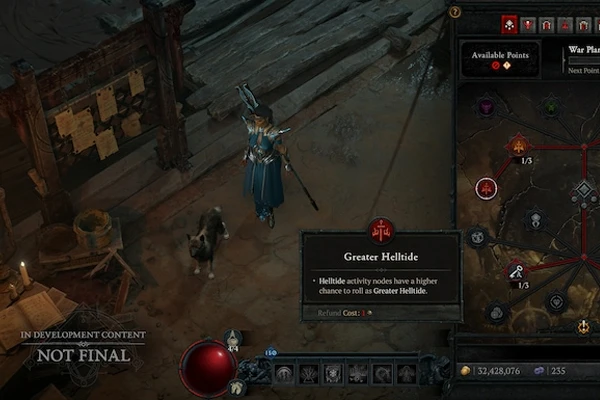
Early hands-on impressions were kinder than the spec sheet suggests. Docked mode ran very well at 1080p, and at least one technical review praised the frame pacing as solid, with possible variable refresh rate support. Handheld is where it gets honest. Framerate sits in the 30 to 40 range and dips below 30 in heavy combat, which is not a dealbreaker but it is not smooth either. None of this makes it a bad port, but it does mean you should set your expectations before you buy. The nice surprise is the touchscreen, which works for menus, the map, and inventory, and makes the portable version feel like it was designed for the system rather than squeezed onto it. The install size is another thing to plan for, at roughly 71 to 78 GB, so a big SD card is not optional.
Cross-Progression and What You Need to Know
The port is not walled off from the rest of Diablo 4, which matters more than the frame rate to a lot of people.
- Cross-play and cross-progression are live through Battle.net, so your characters, stash, and purchases carry between Switch 2 and other platforms.
- A Nintendo Switch Online subscription is not required for the campaign, side quests, open-world play, local co-op, leaderboards, or seasonal progression.
- NSO is required for PvP, clans, trading, online parties, and seeing other players in the shared open world.
- Mouse and keyboard work over USB, though the Joy-Con 2 mouse mode is not supported.
That split on NSO is easy to miss but it changes the value. If you mostly play solo or with a local friend, you can skip the subscription entirely. If you want to trade or join parties, you pay for it.
Whether It Is Worth It
At $69.99 for the base game and both expansions, the collection is not cheap, but it is the complete Diablo 4 package in one buy. The real question is whether you want Diablo 4 in your hands. The 30 to 40 FPS handheld experience is playable but not the showcase the docked mode is, so this is a better fit for someone who splits time between a TV and travel than for someone who only plays portable. The port has done what a good port should do, which is put the game in front of a new audience without gating it behind a second subscription just to see the campaign. What the launch really signals is bigger than the port itself. Diablo 4 now runs on a console with a massive install base, and a fresh wave of players means a fresh market for gear and items, which is worth paying attention to if you sell or trade.


