











English


Gameplay
Diablo 4 Druid Build Guide




In Diablo 4, the Druid is a highly versatile class with shapeshifting, elemental magic, and summoning abilities. It offers multiple combat styles and allows flexible adaptation to different combat situations. The class focuses on combining skills and transformations to maintain consistent damage output and survivability, making it a complex but powerful choice.
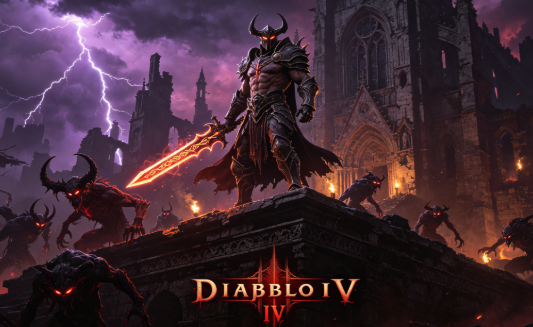
Understanding Core Druid Combat Mechanics
The Druid’s combat system revolves around three core forms: Werewolf, Werebear, and elemental nature magic. Each form provides a different combat rhythm. Werewolf form focuses on attack speed and sustained damage, making it effective in single-target fights. Werebear form emphasizes durability and burst resistance, making it suitable for absorbing damage. Elemental abilities provide AoE damage and crowd control, improving farming efficiency. These systems are not isolated but interconnected through skill rotation, allowing smooth transitions between offense and defense. Proper form switching is key to maximizing performance.
Common Druid Builds and Playstyles
Druid builds vary widely depending on skill combinations and combat preferences.
l Werewolf Build: fast attack speed and critical-based sustained damage, strong in long fights
l Werebear Build: high health and control, ideal for frontline durability
l Storm/Earth Build: strong AoE damage, efficient for clearing mobs
l Hybrid Build: combines multiple forms for adaptability in different fights
l Poison Damage Build: relies on damage-over-time effects for sustained pressure
No build is strictly superior; effectiveness depends on gear synergy and playstyle alignment.
Gear and Attribute Optimization Strategy
Gear selection for Druid depends heavily on build type. Offensive builds benefit from critical chance, attack speed, and skill damage bonuses, while defensive builds prioritize health, armor, and resistance. Skill-enhancing affixes can significantly improve performance and should be prioritized when available. Resource regeneration stats also play an important role in maintaining smooth skill rotation and avoiding downtime during combat.
Dungeon Combat and Practical Gameplay Tips
In real combat situations, Druids must adjust strategies based on enemy type and encounter design.
l Use AoE skills for efficient mob clearing in group fights
l Switch forms during boss fights to balance offense and defense
l Use crowd control abilities to interrupt enemy actions
l Keep moving to reduce damage taken and avoid focus fire
l Adjust skill usage based on fight phases to maintain consistency
These habits help maintain stable performance across different dungeon environments and improve overall efficiency.
Progression Path and Late-Game Optimization
Druid progression typically evolves through multiple stages. Early gameplay focuses on stable leveling and basic skill setup. Mid-game involves building a core playstyle and optimizing gear. Late-game focuses on refining skill rotation and stat balance. As understanding deepens, players can experiment with multiple builds to adapt to different content types. Continuous optimization of gear and skills ensures a balanced mix of damage output and survivability, which is essential for high-difficulty content.


