












English


Gameplay
Is the gap between Blue Protocol classes large?




While the classes in Blue Protocol are distinctly differentiated, these differences center on functional roles rather than any single class maintaining an absolute advantage. The game clearly defines melee, ranged, tank, and support roles, giving each its own combat rhythm, positioning, and party responsibilities. Player perception of class strength also shifts depending on whether they are progressing solo, cooperating in multiplayer, or tackling high-difficulty dungeons. Ultimately, the design leans toward a division of labor and synergy; distinct differences exist, but they rarely result in blatant imbalance. More often, what stands out is a variation in playstyle rather than a simple ranking of power.

Clearly defined roles driven by specific functions
The classes in Blue Protocol are not built from a single cookie-cutter template. Because they are designed around distinct objectives, players will immediately notice each class's unique traits, which stem naturally from its designated role.
- Melee classes emphasize close-range pressure, while ranged classes focus on spacing and distance control. Meanwhile, tanks and supports shoulder the responsibility of protecting teammates and managing the team's momentum.
- This structure ensures every class has a meaningful presence in a party, allowing players to experience vastly different control styles across various game modes.
Stronger class identities make it easier for players to understand their role in a group and select the right class based on dungeon requirements and personal playstyle.
Class performance shifts across different gameplay environments
Class strength is not static. Performance gaps can widen or shrink depending on whether a player is running solo content, grouping up, or fighting bosses.
- In solo progression, classes with efficient mob-clearing and high mobility feel much smoother, making exploration and trash pulls easier to manage.
- In team dungeons, classes offering sustained damage, buffs, or crowd control show their true value, elevating the importance of party cooperation.
Because context dictates a class's advantages and disadvantages, comparing them in a vacuum can easily be misleading.
Gear progression and player skill minimize the gap
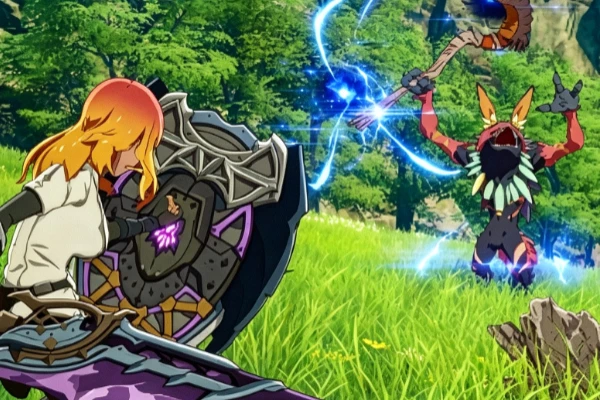
A single class can perform radically differently depending on who is piloting it, proving that the class itself isn't the sole deciding factor. Gear enhancement, skill setups, and damage rotations all heavily impact combat efficiency. Experienced players who deeply understand a class's mechanics can unlock its full potential, pulling high performance out of a kit that might seem ordinary at first glance. The better a player understands these mechanics, the smaller the apparent gap between classes becomes.
Balance patches and party composition shift class value
Class balance is continuously tuned as the game evolves, and smart party composition can amplify the utility of specific roles.
- Developers regularly deploy adjustments based on performance data to prevent any single class from remaining overpowered and to keep the meta stable.
- When party roles are well-distributed, almost every class can find its niche, narrowing the gap in actual gameplay experience.
Because utility is tied to both patch cycles and team dynamics, it is difficult to judge a class's value in isolation.
A class gap does exist in Blue Protocol, but it isn't massive enough to force players into a single meta choice. Instead, classes diverge in their damage styles, forgiveness, utility, and learning curves. Players will find more success choosing a class that fits their personal preferences rather than simply chasing raw numbers. The game rewards complementary party play over homogenized class design. For long-term investment, choosing a comfortable, rewarding class that you can steadily master is always a safer bet than chasing surface-level power.


