










English


Gameplay
How to Build Teams in Zenless Zone Zero?




I started playing ZZZ back in version 1.4. Pulled Miyabi early on and figured that was it — S-rank character, I was set. Then Shiyu Defense floor eight handed me my ass about six times in a row. What finally clicked was this: half of a character's strength comes from their build, and the other half comes from who you put them with. If your three agents can't trigger each other's additional abilities, you don't have a team. You have three solo fighters sharing a screen. I didn't start winning because I pulled better characters. I started winning because I stopped asking "who's strongest" and started asking "why are these three standing together."
Additional Abilities Are the Real Teambuilding Constraint
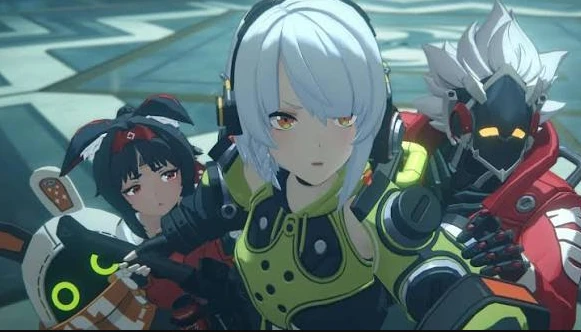
ZZZ doesn't let you just cram your three strongest agents into a squad and call it a day. Every character has an additional ability that only activates when paired with someone from the same faction or the same attribute. That single design choice flips the whole teambuilding logic on its head. Plenty of newer players miss this entirely — they look at individual tier lists, pick three S-tiers, and then wonder why their damage falls off a cliff in actual fights.
Take my current main team: Miyabi + Caesar + Soukaku. On the surface it's just an ice lineup, but the real logic isn't "they're all ice." It's that each of them does something the other two don't. Soukaku provides ice damage amplification and energy regen. Caesar gives shields and stagger resistance. Miyabi handles burst damage. Three roles, zero overlap. That's what a real team looks like.
Once you get the hang of additional abilities, the path forward usually splits into two directions. The one you pick depends on what your roster is actually short on — damage output, or safe windows to deal that damage:
- Pure attribute teams (everyone shares the same element) — you stack anomaly buildup faster, trigger Freeze or Shock more often, and get more control over the fight. Ice teams, physical teams, electric teams all follow this pattern. Higher consistency, fewer variables to manage.
- Pure faction teams (everyone from the same organization) — you lean on faction-specific buffs, which tend to have higher numerical ceilings. The catch is that your character pool needs to actually support this. Victoria Housekeeping, for instance, has great internal synergy, but if you're missing the core units, the whole concept falls apart.
Neither approach is objectively better. But in practice, attribute teams are easier to assemble early on — you can often put together a functional ice or physical squad with four-star units. Faction teams demand a deeper roster and more investment before they start paying off.
Stop Putting Three DPS on the Same Team
This was hands-down the dumbest thing I did when I started. Three damage dealers. I figured if every slot could pump damage, the team would be three times as strong. What actually happened: all three of them fought for field time, none of them got through their full burst rotation, and my clear times were somehow worse than running two supports and one carry. ZZZ's combat is fast enough that switch timing and field-time allocation matter way more than raw stats on paper.
The way I think about it now is closer to putting together a sports lineup. You don't pick five scorers. You pick people who make each other better in specific situations. One main DPS eats the most field time, another character handles quick swaps and anomaly buildup, and the third slot covers utility — survival, grouping, or buffing. These are the three patterns I've found most reliable after testing:
- Main DPS + sub-DPS + stunner — your carry does the heavy lifting, the sub-DPS builds anomaly stacks on quick swaps, and the stunner (like Lycaon) creates those big stagger windows where all your damage lands clean. This setup works for most content.
- Main DPS + double support — your carry eats buffs from both support slots and hits their absolute ceiling. Demands high investment on the main DPS, but the upside is real when you have the stats to back it up.
- Dual anomaly + survival — two anomaly agents with different attributes rotate to trigger Disorder, while the third slot keeps you alive. Less burst, but way more forgiving in drawn-out fights.
Lycaon is the perfect example of a role people undervalue. You don't need him on the field all the time. But his ice shred and the vulnerability debuff he applies after a stun dramatically widen your DPS window. He's not the one dealing the damage, but without him, the damage dealer doesn't get to do their job.
Attribute Anomaly vs. Faction Buffs — Which One Actually Wins?
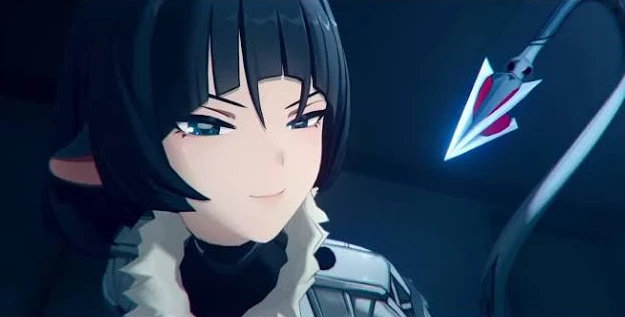
At its core, ZZZ combat revolves around two things: anomaly states and stagger bursts. Different attribute anomalies do very different things — ice Freeze interrupts enemy attack sequences, electric Shock applies ongoing stun pressure, physical Assault just hits for extra raw damage. So the choice between building around attributes or factions is really a choice about what kind of fight you want to have.
The way I've experienced it across six months of messing around with different setups:
- Attribute teams give you consistency — anomaly triggers land more often, Freeze and Shock become reliable crowd control tools, and you're less likely to wipe on difficult floors. The trade-off is that enemies with matching resistances will blunt your output noticeably.
- Faction teams give you higher numbers — the buffs are usually more generous on paper, but the roster requirements are strict. If the faction's core units aren't in your box, the whole concept is theoretical.
If someone asked me what to build as a newer player, I'd point them toward attributes first. Not because factions are weak — they're not — but because the barrier to entry for factions isn't understanding. It's your gacha luck. Attribute teams at least let you assemble a logically sound squad with four-stars while you build up your game sense and your roster.
After about six months with this game, here's the one thing I'd tell my past self: ZZZ teambuilding isn't about finding the optimal answer. It's about finding the best answer for the characters you actually own. You can copy a T0 team template from any tier list, but if you're missing the linchpin character, that template plays completely differently in your hands than it does on paper. The real skill isn't memorizing the meta. It's understanding what each agent does on a squad and slotting the right piece into the right gap. The moment you can explain — without looking at a guide — why these three belong together and not those three shinier-looking alternatives, that's when you stop needing the guides altogether.


