












English


Guide
Tarisland Warrior Class Changes Analysis




In the recent Tarisland update, the Warrior class underwent significant balance adjustments. As a melee class combining damage output and survivability, the Warrior has always been a popular choice in raids and PvP. This update focuses on optimizing skill combos, threat management, and sustained damage output, resulting in noticeable changes to the Warrior's operational rhythm and team role in actual combat.
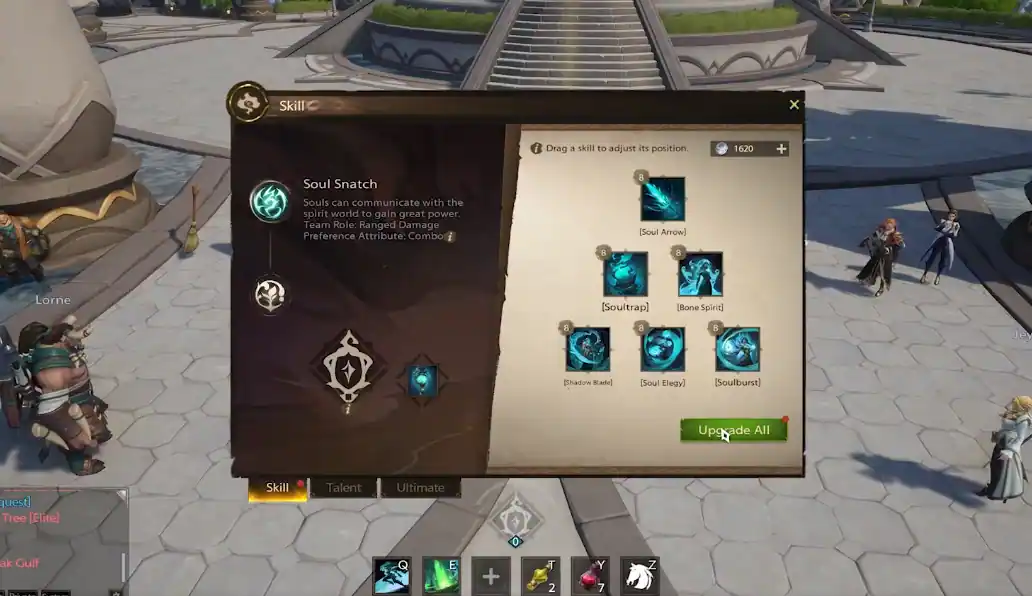
Changes to Warrior Skill Mechanics and Damage Output Structure
The updated Warrior skill system places greater emphasis on combo fluidity and skill cycle stability. The cooldown times of some core skills have been adjusted, making the overall damage output rhythm more continuous. Previously, some skills had long animation delays; these have been optimized in the new version, making close-quarters combat smoother. Sustained damage skills have been increased, while high-burst skills are more reliant on timing, meaning Warriors need to pay more attention to skill combos and rhythm control in combat. With enhanced skill synergy, strategically arranging skill order will directly impact overall damage output efficiency.
Optimized Defensive Capabilities and Tank Role
The Warrior's defensive mechanics have been strengthened in this update, especially highlighting their tank role in raids.
l Damage reduction skill duration extended
l Aggro generation efficiency significantly improved
l Shield skills enhanced forgiving ability
l Crowd control ability more stable
l Improved survivability in high-difficulty dungeons
These adjustments make warriors' damage mitigation performance in teams more stable, while also reducing the operational pressure in dungeons.
Changes in Warrior Performance in PVP Environment
In player-versus-player combat, the warrior's mobility and control effects have been rebalanced. The release speed of some dash skills has been increased, making it easier for warriors to approach ranged classes. At the same time, the judgment range of control skills is more stable, increasing the success rate of combos. However, after the update, warriors also have higher requirements for skill rhythm. Blindly charging or using skills in the wrong order can easily lead to being countered by the opponent. Therefore, in PVP environment, warriors need to pay more attention to the timing of entry, gradually establishing an advantage through control and sustained pressure, rather than simply relying on short burst output.
Equipment Combinations and Attribute Selection Strategies
With the changes in skill structure, the warrior's equipment combination strategy has also undergone some adjustments. High attack attributes can still improve output ability, but the importance of defense and health attributes has significantly increased compared to the old version.
l Prioritize strengthening defensive attributes in dungeons.
l PVP gameplay is suitable for increasing critical hit rate and attack power.
l Health attributes improve sustained combat ability.
l Energy regeneration and cooldown reduction attributes enhance skill rotation.
l A reasonable balance between output and survival is more important. With more flexible equipment and attribute combinations, warriors' adaptability in different gameplay modes has also improved.
Warrior's Late-Game Growth and Gameplay Trends
As the version environment changes, the warrior class is gradually evolving from the traditional pure tank route to a comprehensive class that balances output and survival. Late-game high-difficulty dungeons rely more on teamwork; therefore, warriors not only need to shoulder the responsibility of absorbing damage but also need stable output capabilities to improve overall combat efficiency. In the long-term growth process, skill proficiency and equipment attribute combinations will directly affect actual combat performance. After becoming familiar with the new skill rotation, warriors will perform more stably in dungeons and PVP and will be more adaptable to adjustments and changes brought about by future version environments.


