












English


Guide
FC 26 Player Transfers and Their Impact on Squad Building Analysis




In FC 26, player transfers not only change team strength but also directly affect tactical systems, match rhythm, and overall squad balance. With an increasingly refined transfer system, squad building now requires deeper attention to chemistry, positional compatibility, and tactical fit rather than simply signing high-rated players.
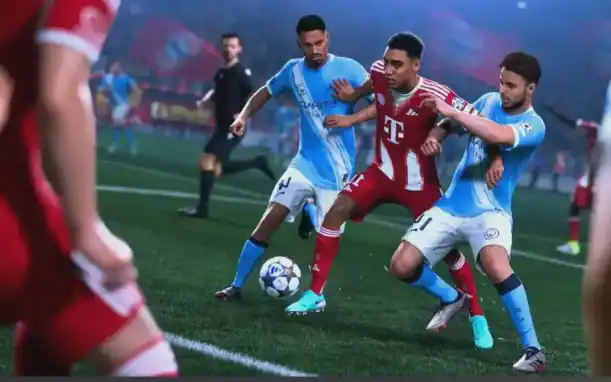
Impact of Transfer System on Team Structure
In the current version, player transfers create a chain reaction across the entire squad structure. The arrival or departure of a key player can reshape an entire tactical setup. Changes in midfield control directly influence attacking build-up efficiency, while defensive adjustments affect overall stability. Even players with similar ratings can perform very differently depending on their attributes and in-game behavior. Squad structure must therefore be adjusted based on player characteristics rather than simple one-to-one replacements.
Positional Impact of Player Transfers
Transfers affect each position differently, with midfielders and forwards having the most noticeable influence on gameplay.
l Striker transfers directly affect finishing ability and scoring consistency
l Midfield transfers change passing rhythm and playmaking structure
l Defender transfers impact defensive stability and physical duels
l Goalkeeper transfers influence shot-stopping reliability and defensive confidence
l Wide player transfers affect wing progression and attacking width
Changes in key positions often require a full tactical adjustment rather than isolated substitutions.
Chemistry and Squad Compatibility Issues
In the current system, player chemistry plays a major role in match performance. Even high-rated players may underperform if chemistry is low, resulting in misplaced passes and poor positioning. Newly transferred players require time to adapt to the team structure and build synergy with core players. Compatibility depends not only on position but also on playstyle, preferred foot, and tactical behavior.
Transfer Strategy and Squad Rebuilding Approach
A well-planned transfer strategy improves team performance significantly, while random signings can disrupt balance. Squad building should align with tactical identity rather than focusing solely on overall ratings.
Possession-based tactics benefit from technical midfielders and short-pass specialists
l Counterattack systems require fast strikers and stable defenders
l High-press tactics depend on stamina and defensive coverage
l Wing-focused play relies on pace and crossing ability
l A stable core squad often performs better than frequent roster changes
Proper transfer planning ensures consistent performance across different match scenarios.
Long-Term Squad Optimization and Development
As seasons progress, squad optimization becomes more about system refinement than simple upgrades. Player development and tactical adaptation work together to influence performance. Some players may appear average initially but perform strongly within specific tactical setups, making real match performance more important than base ratings alone.


