











English


Gameplay
How Does the Combat System in Ashes of Creation Work?




Ashes of Creation is a high-freedom MMORPG developed by Intrepid Studios. Its combat system is built around action-based mechanics, strategic decision-making, and class combination depth. Unlike traditional tab-target MMOs with stationary damage rotations, this game requires constant movement, positioning, and skill timing. Understanding its core systems is essential for fast progression and competitive performance.
Core Combat System Mechanics
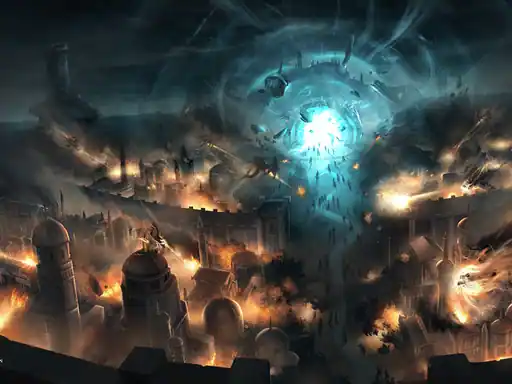
The combat system in Ashes of Creation focuses on combining mechanical skill with tactical awareness, creating a dynamic battlefield experience.
l Hybrid Combat System (Action + Tab Target)
The game blends action combat with traditional targeting. Some abilities require manual aiming, while others can be locked onto a target. Players must constantly switch between aiming and targeting depending on skill type, making combat more flexible but also more demanding.
l High-Mobility, Non-Stationary Combat Design
There is almost no safe “stand still and deal damage” scenario. Players must keep moving to avoid incoming attacks and reposition for better output. Movement is not only defensive but also directly impacts damage efficiency, especially in PvP situations.
l Skill Timing and Global Cooldown (GCD)
Abilities are governed by a global cooldown system, preventing spam casting. Players must carefully plan ability sequences to avoid downtime or wasted cooldowns, making rotation planning a key part of combat optimization.
l Environment and Terrain Impact
Battles are heavily influenced by terrain. High ground provides vision advantages, obstacles block ranged attacks, and narrow areas favor crowd control abilities. This adds a tactical layer beyond raw stats.
Class System and Combat Style Building
The class system is one of the most important depth mechanics in combat design.
l Primary Class Defines Core Role
Your main class determines your fundamental identity—damage dealer, tank, or support. Each role has distinct responsibilities that shape how you engage in combat.
l Secondary Class Expands Skill Options
Secondary classes allow players to modify and enhance their abilities, adding utility, control, survivability, or burst potential. This creates significantly different playstyles even within the same main class.
l Weapon Choice Shapes Combat Rhythm
Melee weapons focus on burst damage but require close-range risk. Ranged weapons emphasize kiting and sustained pressure. Magic weapons provide AoE damage and control. Weapon selection directly defines combat pacing and engagement distance.
l Highly Flexible Build Diversity
Players can freely combine class and weapon options to create unique builds such as burst assassins, sustained damage dealers, or control-focused support styles. There is no fixed meta structure.
PvE vs PvP Combat Differences
Combat behavior changes significantly depending on the game mode.
l PvE Focuses on Mechanics and Coordination
Dungeon and boss encounters include phased mechanics that require players to understand patterns and react correctly. Team coordination is more important than individual damage output.
l Mechanics Matter More Than Damage in Boss Fights
Failures in PvE are often caused by incorrect mechanic handling rather than insufficient damage. Proper positioning and survival are critical for success.
l PvP Requires Fast Reactions and Skill Timing
Player-vs-player combat is unpredictable and reactive. Timing crowd control, dodging abilities, and positioning correctly often determine the outcome of fights.
l Large-Scale Battles Rely on Team Command
In guild wars or faction battles, individual performance is less important than coordinated strategy. Frontline, damage dealers, and support roles must work in synchronized formations.
Beginner Tips and Advanced Improvement Methods
To adapt quickly to the combat system, players should build foundational skills step by step.
l Practice Moving While Casting Skills
Standing still is not viable. Learning to attack while moving increases survival and reduces the risk of being focused or controlled.
l Build Proper Skill Priority Rotation
Abilities should be used in a structured order. Crowd control should initiate fights, burst damage should be saved for key windows, and filler skills maintain pressure.
l Understand Class Counter Relationships
Certain classes naturally counter others. For example, ranged builds often pressure melee, while control builds counter burst-heavy opponents. Understanding this helps in pre-fight planning.
l Gain Experience Through Real Combat
Theory alone is not enough. Continuous PvE and PvP engagement is necessary to develop instinctive decision-making and timing awareness.
After entering the combat system of Ashes of Creation, players will quickly notice that battles are no longer simple skill rotations but dynamic encounters shaped by movement, decision-making, and team coordination. Every fight plays out differently depending on positioning, timing, and player choices. As understanding deepens, gameplay gradually shifts from executing abilities to actively making tactical decisions in real time, which is where the system truly shows its depth and appeal.


