












العربية


Gameplay
How FC 26 Chemistry Works




Chemistry in FC 26 confuses a lot of players because it quietly stopped working the way it did in the old FIFAs. The team-wide 100 point scale is gone, and if you're still building squads the old way, you're leaving stats on the table without realizing it.
The good news is the new system is simpler once you see it. It's no longer about placing players next to each other. It's about counting how many players share a club, league, or nation, and it never punishes you for getting it wrong. Higher chemistry wins you more games, which flows directly into better weekly rewards.

Chemistry Is Now Per Player, Not Per Team
The biggest change is that chemistry is tracked player by player. Each card earns between zero and three chemistry points, shown as small diamonds under the player.
- A player on three chemistry gets the full boost from their Chemistry Style, applied to the relevant attributes.
- A player on zero chemistry just plays at their base card stats. There's no penalty for low chemistry anymore.
- All eleven players at three chemistry puts your team at the maximum 33.
The old system where a lone card dragged down everyone around it is gone. Now a weak link only hurts itself, which changes how freely you can build. You can run a couple of odd cards without wrecking the whole squad.
The Three Links That Build Chemistry
A player gains chemistry through three separate links, and only those three: club, league, and nation.
- Same club is the strongest single link, and it stacks fastest.
- Same league is the easiest to build in bulk, since most top squads already cluster in one or two leagues.
- Same nation matters most for icon and hero cards and for mixed-league squads.
There are no positional links anymore. Your left-back and right-back boost each other if they share a club, even on opposite sides of the pitch. Every player links with every other player, no matter where they're placed, which takes a lot of the old spatial puzzle out of squad building.
The Thresholds Worth Knowing
Chemistry points come from hitting specific squad counts, and these numbers are the part worth memorizing. Each line is the number of players you need in the squad to reach that tier.
- 1 chemistry point: 2 players from the same club, or 2 from the same nation, or 3 from the same league.
- 2 chemistry points: 4 players from the same club, or 5 from the same nation, or 5 from the same league.
- 3 chemistry points: 7 players from the same club, or 8 from the same nation, or 8 from the same league.
A player takes the highest tier they qualify for, and the bonuses don't stack past three points. The practical target is the eight-player league threshold on your core group, which is exactly why single-league squads dominate. Hit eight Premier League players and the whole block clicks onto full chemistry at once.
Position and Manager Do More Than You Think
Chemistry isn't only about links. Two other factors decide whether a card gets points at all.
- A player has to be in their preferred position or one of their alternate positions to receive any chemistry.
- Playing a striker at center-back means zero chemistry no matter how many links you stack.
- Your manager adds one to the count for players who share his league or nation, which can tip a player over the next threshold.
That last point is easy to misread. The manager doesn't hand out a free chemistry point. He nudges the count by one, so a player sitting one short of a threshold gets over the line, while a player still two short gets nothing. He's a tiebreaker rather than a bonus, which is why a league modifier to line him up with your squad matters.
Special Cards Are the Shortcut to 33
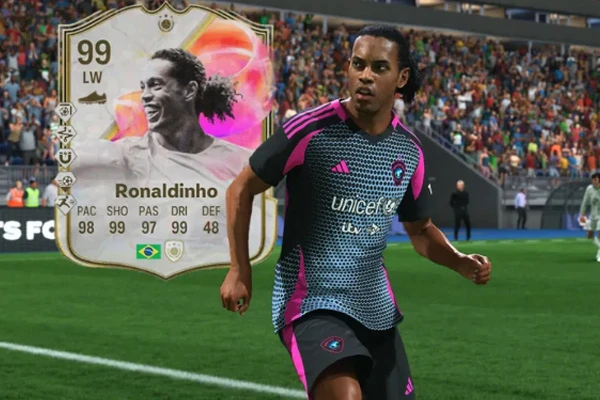
Icons, heroes, and a few promo card types come with chemistry bonuses that let you glue together leagues that normally wouldn't connect.
- Icons carry full chemistry themselves and add two to their nation count, plus one to every league's count.
- Heroes carry full chemistry and add two to their specific league, plus one to their nation.
- Icons have no league of their own, which is exactly why they boost every league instead of one.
The distinction between icons and heroes trips a lot of players up. An icon feeds every league in your squad at once, so a single icon can lift the chemistry of several players in a hybrid. A hero pushes only its own league but does it harder, by two. Both are worth keeping for the count boost alone.
Women's players link to men's players by club and nation, though not by league, so a shared club still bridges the two. That detail opens up squad options most players never think to try.
The rule of thumb is to aim for at least 26 or 27 team chemistry, and full 33 on your central players like strikers, midfielders, and center-backs. Get the spine of the team right first, then let the wide players be whatever your links allow. Chemistry doesn't make a bad card good, but it turns a good card into a great one, and it's the cheapest upgrade in the game.


