











English


Gameplay
How Can Clerics Balance Healing and Damage in Aion 2?




In Aion 2, the Cleric has always been one of the most essential classes in any party. Many players assume that a Cleric's only responsibility is to heal teammates. However, as your character levels up, dungeons become more challenging, and your equipment improves, Clerics are also expected to contribute a reasonable amount of damage. Properly balancing healing and offensive skills not only improves the party's overall efficiency but also allows you to perform better during solo quests, group dungeons, and World Boss encounters. Mastering skill timing, equipment selection, and combat awareness is an important part of becoming an effective Cleric.

The Cleric's Class Role
A Cleric is responsible not only for restoring health but also for attacking enemies with holy magic. In Aion 2, the class is more than just a support role—it combines both support and combat capabilities. Many new players focus entirely on healing when they first play a Cleric, overlooking the class's respectable ranged offensive abilities. In reality, once you become familiar with your skills and combat rhythm, you can safely contribute damage while keeping your teammates alive. Understanding the class's role makes it much easier to find the right balance between healing and damage in different dungeons, quests, and combat situations.
Healing Remains Your Primary Responsibility
No matter how much your gear improves, the Cleric remains the party's primary lifeline. In dungeons, teammates rely on you to keep them alive, so healing should always be your top priority. Only when the party can survive consistently can your damage dealers maintain steady DPS.
Prioritize keeping the tank healthy.
Monitor the entire party's HP actively.
Save high-cooldown "panic buttons" or burst heals for emergencies.
Avoid putting all major healing abilities on cooldown at once.
Only when the party's health is stable should you spend time casting offensive spells. If teammates are already in danger and you continue focusing on damage, it can easily lead to a party wipe. An excellent Cleric is not the one with the highest damage output, but the one who knows exactly when to heal and when to attack.
Dealing Damage Improves Clear Speed
Many dungeon encounters last a long time. If a Cleric spends the entire fight casting only healing spells, numerous opportunities to contribute damage are lost. When the party is in a safe condition, adding offensive spells helps defeat enemies faster and shortens the overall battle.
Deal damage when the party's health is stable.
Maintain pressure with damage-over-time (DoT) skills.
Cast offensive spells during healing cooldown windows.
Minimize downtime and avoid excessive overhealing.
This approach allows you to actively participate in combat instead of simply waiting for teammates to lose health, all without interfering with your core healing rotation.
Adjust Your Rhythm Based on the Encounter
Every dungeon and every Boss has different attack patterns, so Clerics should never rely on a rigid, fixed rotation.
Against normal enemies: You can spend more time attacking and applying pressure.
Against high-damage Bosses: Pre-cast or time your heals to land immediately after major AoE mechanics.
Adapting your skill usage to the real-time situation is far more effective than following a strict sequence.
How to Manage Your Skill Rotation
Build Your Own Skill Rotation
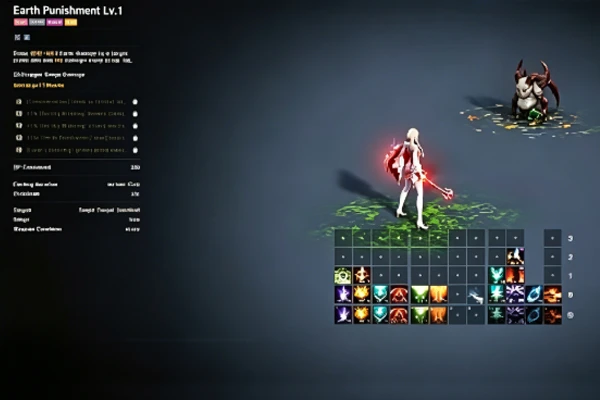
Experienced players usually plan their skill order in advance so healing and damage naturally flow together. For example, after casting a heal, you can immediately apply a damage-over-time spell before deciding whether further healing is necessary.
Follow healing skills with quick offensive abilities.
Prioritize damage-over-time spells for steady passive damage.
Utilize cooldown windows to squeeze in extra attacks.
Keep your skill rotation moving smoothly to minimize downtime.
Don't Use All Your Healing Skills at Once
Many beginner Clerics panic when teammates lose health and immediately cast every healing spell available. While this restores a large amount of HP in the short term, it often leaves every major skill on cooldown afterward. Instead, use healing abilities according to the rate of incoming damage, always keeping your powerful recovery spells ready for forecasted Boss mechanics.
Stay Safe with Ranged Attacks
Clerics have long-range magical attacks and do not need to stand next to the Boss to deal damage. Maintaining a safe distance reduces incoming damage while giving you a better view of the battlefield, allowing you to react immediately whenever teammates need assistance.
Choosing the Right Equipment
Equipment directly affects both your healing power and offensive capability, so you should never focus on only one attribute. Instead, choose gear based on your primary playstyle.
For Group Dungeons: Prioritize healing effectiveness, mana regeneration, and survivability.
For Solo Farming/Daily Quests: Consider adding Magic Attack, Critical Hit, and Skill Haste.
Prioritize Healing Attributes First
If you frequently participate in group content, healing-related stats should remain your highest priority. A Cleric's healing performance is the foundation of the class.
Increase Healing Power: Directly enhances your HP recovery output.
Boost Magic Attack: Improves both your damage and the scaling of certain healing spells.
Raise Maximum Mana & Regen: Ensures you don't run out of resources during long fights.
Improve Skill Haste: Reduces cooldowns for faster reaction times.
Once your healing is sufficient to comfortably clear most dungeon content, you can gradually begin investing more heavily into offensive attributes.
Prepare Different Equipment Sets
If your resources allow it, consider maintaining two distinct gear sets:
The Medic Set: Focuses on healing power and survivability for high-tier group dungeons.
The Battle Set: Emphasizes Magic Attack and Critical Hit for daily quests and open-world speed-farming.
Frequently Asked Questions
Q: Should a Cleric always be healing?
A: No. When your party's health is stable, use your free windows to contribute damage and improve overall dungeon efficiency.
Q: Will dealing damage reduce my healing performance?
A: Not if you manage your cooldowns correctly. The most important factor is watching your teammates' condition rather than blindly chasing DPS leaderboards.
Q: Should solo leveling focus on healing or damage?
A: For solo content, it is highly recommended to invest in offensive capabilities. This allows you to complete quests much faster while maintaining just enough self-healing to stay alive.
In Aion 2, the Cleric is more than just a passive healer—it is a versatile class capable of contributing meaningful damage. A truly skilled Cleric does not focus exclusively on healing numbers or damage meters, but instead adjusts skill priorities according to the battlefield situation. New Cleric players should first become comfortable with their healing tools before gradually learning how to weave offensive skills into their downtime. As your equipment improves and you gain more dungeon experience, you will naturally develop a better sense of when to strike and when to protect. Staying calm and carefully observing the fight is far more valuable than simply chasing higher metrics. By mastering your rotation and adapting to each encounter, you will become an invaluable asset to any team.


