










العربية


Gameplay
Which Lost Ark Life Skill Has the Most Stable Income?




Lost Ark has six life skills: Foraging, Logging, Mining, Hunting, Fishing, and Excavating. They share a single Life Energy pool that refills over time once drained. The value of life skills is not in any single run. It is slow income that trades scattered time for stable materials, a different logic entirely from the large fixed weekly gold of legion raids. Life skills are often overlooked by new players, but their output feeds directly into honing consumables and battle items. That means saving money on the cost side of gear progression, and this income stream is almost unaffected by patch cycles. Which of the six skills is the most stable, which fluctuates, and which suits which playstyle — breaking these down beats gathering blindly with no direction.
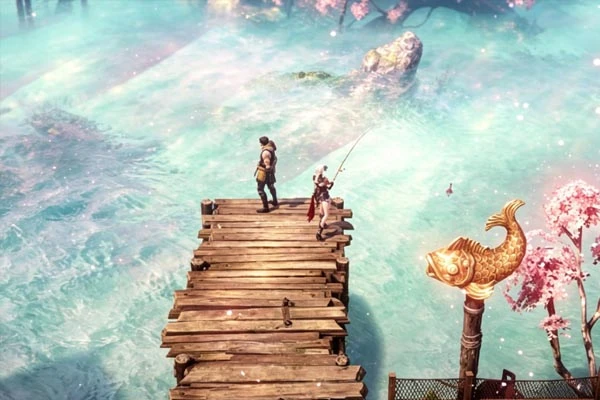
Fishing Is the Most Stable One
Fishing ranks first in income stability among the six life skills, and the core reason is that its output corresponds to the game's most rigid demand.
- Basic fusion materials are an absolute necessity for every hone, and the fish from fishing is one of three ingredients for crafting them. The other two are Excavating relics and Hunting meat. The three are parallel recipes, and their demand follows honing the whole way through.
- Fishing has the lowest operational barrier. No running around resource nodes; standing by the water and semi-AFK produces continuously, giving high time efficiency.
- Fish may have a low unit price, but demand is stable and supply is steady. Its price fluctuation is far smaller than other materials, making it the life skill closest to stable cash flow.
- Fishing's drawback is low per-run income. Getting rich off it is unrealistic, but as a long-term stable supplementary income, it is the most reliable option.
Fishing's value is not in fast money. It is in steadiness. Spend your daily Life Energy on fishing, and what comes back is a stable material income almost untouched by market swings.
Foraging and Hunting Income Follow Consumables
Foraging and Hunting output flows mainly into potions, food, and battle items. Their income stability depends on demand fluctuations for those consumables.
- The plants and flowers from Foraging are ingredients for potions and some fusion materials. During progression weeks and major events, battle item demand rises noticeably, and Foraging material prices climb with it.
- The leather and meat from Hunting are ingredients for food and some battle items, and can also make basic fusion materials. Demand concentrates around legion raid progression periods and major patch releases, and stays relatively flat otherwise.
- What these two skills share is cyclical income. Patch releases and progression periods are price peaks, while prices return to normal in between, making this a buy-low-sell-high rhythm trade.
- In terms of operation, Foraging and Hunting require moving between map resource nodes, costing more time than fishing, but their unit prices are generally higher than fish.
Foraging and Hunting income is decent, but less stable than fishing. They suit patch-cycle spread trading, while fishing suits long-term stable income.
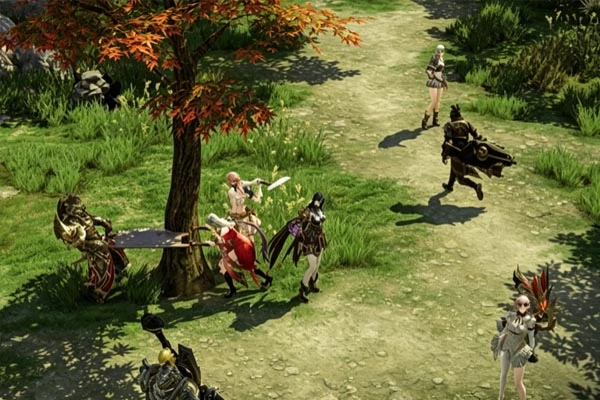
Logging, Mining, and Excavating Each Fluctuate Differently
The remaining three skills have more divergent income structures. Logging and Mining are slower, and Excavating fluctuates the most.
- Logging and Mining output flows mainly into Stronghold construction, ship upgrades, and some crafting. The demand side is narrower than honing consumables, with lower but stable prices, suiting players who want to stockpile materials semi-AFK.
- Excavating produces relics and treasure maps. Treasure maps have a chance to yield high-value materials, giving Excavating the highest ceiling among the six skills, but its income depends entirely on map results, with extreme fluctuation.
- Excavating's entry barrier is higher than the others. It takes time to understand treasure map mechanics and resource node distribution, so it does not suit being casually clicked as a side activity.
Logging and Mining offer steady income. Excavating has a high ceiling but high fluctuation. The three are positioned entirely differently.
How to Choose
Fishing has a low operational barrier, rigid demand, and stable prices, yielding steady material income from a bit of daily semi-AFK time. It suits long-term stable income. Foraging and Hunting suit patch-cycle spread trading: gather and hunt more before progression periods and major updates, stockpile until the demand peak, then sell. Excavating's treasure maps can yield far more than the other skills, but only one or two out of ten runs produce good results, so it fluctuates the most. Life Energy is limited, so pick one or two skills at most. Training all six spreads the energy too thin and produces no efficiency in any of them. Focus on one skill, spend the energy in a concentrated way, and process raw materials into finished products through the Stronghold before selling — the return beats selling raw materials directly.
Lost Ark life skill income stability: Fishing ranks first, Foraging and Hunting sit in the middle, and Excavating fluctuates the most. But stability and high income are two different things. Fishing is steady in its rigid demand and low-effort operation, while Excavating is high in ceiling and burst — no single skill holds both ends. Choosing a life skill is like choosing a class. The key is deciding whether you want stable slow income or fluctuating ceiling income. Once that is settled, which of the six fits becomes clear. Life skills are not a get-rich-quick method. They are stable supplements earned from scattered time. Keep clearing your Life Energy daily, and the income naturally accumulates bit by bit.


