











العربية


Guide
Lost Ark Dungeon Gameplay Introduction




In the overall content system of Lost Ark, dungeon gameplay is one of the most important core modules in the player's progression. It serves as the primary source of equipment acquisition and character enhancement, and is also key to experiencing combat mechanics and teamwork. Dungeons are not simply a monster-slaying mode, but a complex structure that integrates challenging mechanics, phase changes, and team cooperation. Upon entering a dungeon, players need to adapt to different boss mechanics while rationally allocating their damage output and survival pace, making the dungeon experience both challenging and strategically deep. For new and mid-level players, understanding the dungeon structure and gameplay logic is crucial for improving efficiency and reducing the cost of failure.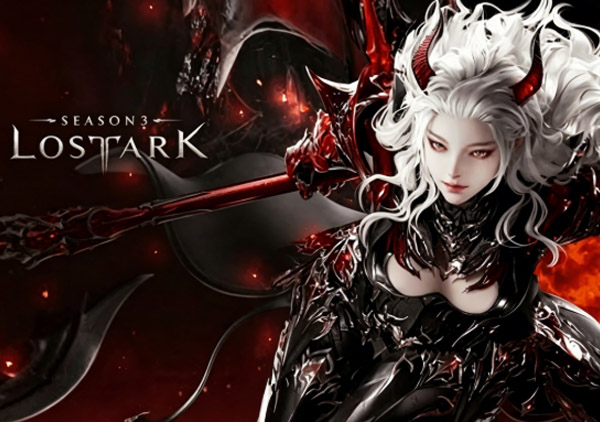
Basic Dungeon Types: Building the Core Gameplay Entry Point
This section is the starting point for players to engage with the dungeon system.
l Story and normal dungeons constitute the basic content. In the early game, story dungeons and normal dungeons guide players to familiarize themselves with the combat mechanics and gradually unlock higher difficulty content.
l Dungeon difficulty is progressively tiered. Different dungeons are designed with varying difficulty levels, from simple combat to complex challenges, forming a progressive experience structure.
This system helps players gradually transition from basic combat to high-difficulty gameplay.
Guardians and Boss Challenges: Core Combat Experience
This section represents the most challenging aspect of dungeon gameplay.
l Guardian dungeons emphasize mechanic-based gameplay. Players must face bosses with multi-phase skills, observing and maneuvering to avoid critical skill damage.
l Boss battles test the balance between damage output and survivability. During combat, players not only need to deal damage but also manage positioning and skill release rhythm effectively to ensure team survival.
This type of dungeon is crucial for testing players' operational and comprehension abilities.
Team Dungeon Gameplay: Collaboration and Division of Labor as the Core
This section emphasizes multi-player cooperation and tactical execution.
l Team dungeons require clear division of labor. Different players assume roles such as damage dealers, support, or mechanic handlers. Collaboration determines overall completion efficiency.
l Increased mechanic complexity raises tactical requirements. High-difficulty dungeons typically include phase changes and special mechanics, requiring the team to execute a unified strategy to complete the challenge.
This structure expands dungeon gameplay from individual operation to a team strategy level.
Dungeon Rewards and Growth Cycle: Driving Continuous Challenge
This section determines players' motivation to repeatedly participate in dungeons.
l Equipment and materials are the primary sources of rewards. Dungeon drops are used to enhance equipment and improve character abilities, forming a crucial part of the progression system.
l This reward mechanism fosters a long-term cycle, allowing players to acquire resources through continuous dungeon challenges, creating a stable growth path and gameplay loop.
This system makes dungeons not only a challenge but also a core source of progression.
Lost Ark's dungeon gameplay utilizes a multi-layered structure to build a complete combat experience, from basic dungeons to Guardian challenges, then to raid dungeons and high-difficulty mechanics. Each stage corresponds to different gameplay objectives and progression needs. Players can improve their equipment and character abilities while continuously challenging dungeons, gradually mastering mechanics and teamwork skills, making the overall experience more complete and in-depth. As players deepen their understanding of the dungeon system, the initially complex mechanics gradually transform into a predictable combat rhythm, making dungeon gameplay a vital core element driving the long-term game experience.


