












العربية


Gameplay
How to Farm Gold in Diablo 4




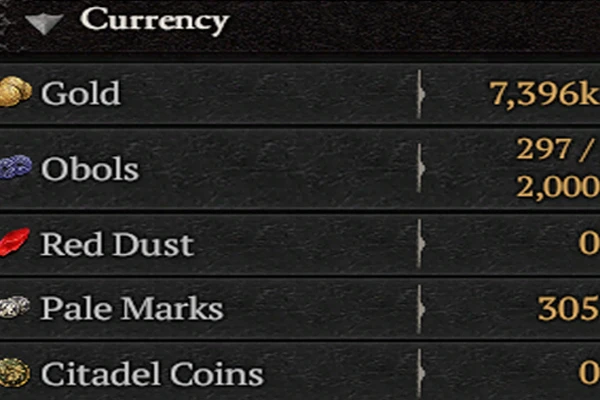
Gold sits behind nearly every meaningful upgrade in Diablo 4. Enchanting a single affix can cost millions. Masterworking a weapon to rank 12 drains a small fortune. Rerolling tempers burns through gold faster than most players expect. You don't feel it early on, because the campaign and early leveling keep you topped up. Then you reach the endgame and every step forward has a price tag.
The players who never seem broke aren't running a hidden exploit. They've picked up a few habits around the same content everyone else clears. The difference is mostly in how they treat the loot that drops, and in knowing which activities actually pay for themselves.
Sell the Legendaries You Won't Use
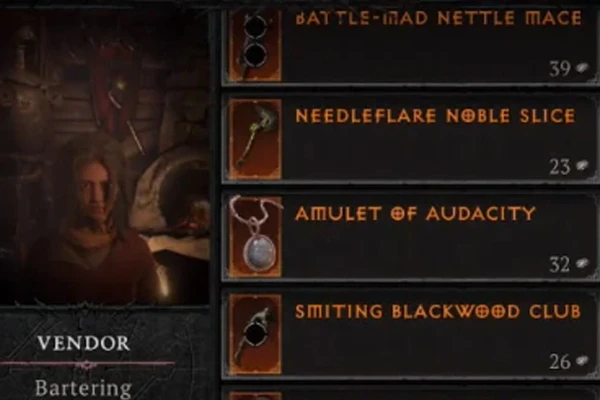
The old advice about selling rares and blues for gold has been dead since the Loot Reborn itemization rework. In the endgame, yellow and blue gear barely drops with enough affixes to be worth anything at a vendor. The real value sitting in your bags is the legendaries and uniques you'll never equip.
- An item with two or three Greater Affixes is worth a second look, even when it doesn't fit your build. If you're not going to trade it, it still vendors for far more than a full bag of rares ever would.
- Mark everything you won't equip as junk, then sell the whole pile with one click instead of going piece by piece.
- Check legendaries and uniques for Greater Affixes before you dump them, since a 2GA or 3GA piece holds real value.
- Stop hoarding rares and blues for gold. Salvage them for materials or leave them on the ground.
The habit shift matters more than people think. Plenty of players still click through their inventory salvaging everything, then wonder why they have no gold and no materials either.
Start With Helltides and Whispers
If you're still gearing a character, the most reliable early money comes from stacking two things that overlap constantly.
Helltides are dense and always rotating, so they produce a steady stream of loot. While you kill for cinders, you also complete Whispers tied to the Tree of Whispers. Turn in enough Grim Favors and you get a cache that hands over gold directly, plus gear you can sell.
- Check the map for a Helltide that overlaps a cluster of Whispers and play there.
- Spend cinders on Tortured Gift chests for gear, then vendor or trade what you don't keep.
- Turn in Whisper caches as soon as they're ready, since they're one of the few sources of direct, stable gold.
The money here comes from volume rather than any single drop. It won't set records, but it keeps a midgame character funded without forcing you into content you can't clear yet.
Move Into Infernal Hordes
Once your build can handle Torment without dying, Infernal Hordes becomes the standard gold farm. Clear waves, collect Burning Aether, and dump it all into the Spoils of Gold chest at the end.
The chest is what matters. The more Aether you bank, the more gold it pays, so higher tier Compasses and longer clears both push the number up.
- Bring the highest Legendary Compass you can clear comfortably.
- Spend Aether on Spoils of Gold rather than the gear chests while you're farming gold.
- Avoid dying on the last wave, since a wipe throws away everything you've banked.
This is the direct-gold method endgame players fall back on, and it's still one of the best returns per hour in the game.
Sell to Players for the Real Money
The biggest gold in Diablo 4 doesn't come from vendors. It comes from other players. In-game trade chat is fine for small stuff, but the serious transactions happen on third-party trading platforms like diablo.trade, where you list an item and let buyers come to you.
The things that actually sell for hundreds of millions are specific. A piece of gear with two or three Greater Affixes in the right stats, a popular unique with a clean roll, a high tier rune, or boss summoning materials that raiders are always burning through.
- List multi-GA gear and meta uniques on a trading site rather than vendoring them for a fraction of their value.
- Hold onto high tier runes and boss materials, which move fast because demand never drops.
- Price-check anything with a clean roll before you hand it to a vendor.
Trading is inconsistent, but a single good sale can cover a week of masterworking. It's the difference between players who grind gold and players who basically don't have to.
Skip Nightmare Dungeons for Gold
Nightmare Dungeons still have their place, but gold farming isn't it. Their real job now is leveling glyphs and producing the base materials you need for masterworking.
You'll earn some gold from a dungeon run, and a sigil with a gold affix nudges that up a bit. Chasing those affixes as a main income source is a trap though, because the return per hour sits well below Hordes and even below a focused Helltide loop.
- Run Nightmare Dungeons for glyph XP and materials, and treat any gold as a bonus.
- Don't craft or reroll sigils just hunting for a gold affix.
- pend your dungeon time on the tiers that level your glyphs fastest, not the ones that look like a gold farm.
- A lot of players lose a whole evening running "gold dungeons" that were good a few seasons ago. The game has moved on.
Gold in Diablo 4 comes from not treating every drop the same way. Sell what you can't use, trade what's actually valuable, and run the content your build clears fast. The players who always have gold are the ones who stopped fighting the current version of the game and started working with it.


