











العربية


Guide
Diablo 4 Trading Guide




Trading in Diablo 4 is one of those systems that looks simple until you run into an item you cannot hand over. There is no auction house, so everything happens player to player, and the rules around what is tradable have tripped up a lot of people. Here is how trading actually works, what you can move, and what stays permanently stuck to your account.
How Trading Works
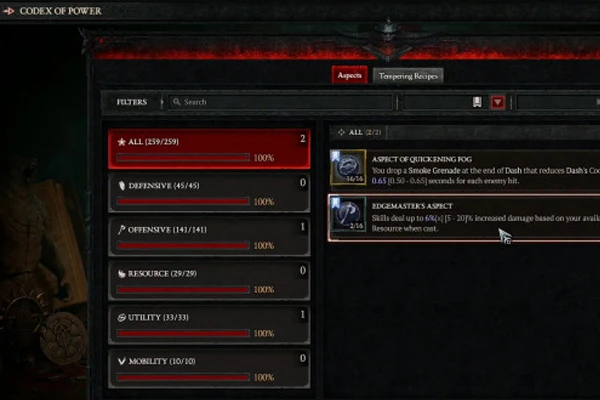
Trading is face to face. You invite the other player to your party, open the action wheel, and pick Invite to Trade. Both of you drop items and gold into the window, lock your offers, and accept. The item has to sit in your inventory, not your stash, and it cannot be the gear you are currently wearing.
The part that surprises new players is that there is no auction house. Blizzard never added one, so finding a buyer or seller means using a third party trade site, a Discord server, or the trade channel. That is also why most serious trading happens outside the game, and why knowing exactly what can be traded matters before you agree to anything. It is a manual system, so check the item twice before you hit accept.
What You Can Trade
The tradable list is smaller than most people expect, but the items on it are the ones with real value.
- Gold, which is the main currency and the thing everything else is priced against.
- Runes, the crafting material for targeted Mythic Unique rolls.
- Lair Keys, the boss materials you spend to open boss loot chests.
- Gems, elixirs, and incense.
- Clean Legendary and Unique items that have not been modified, especially ones carrying Greater Affixes.
That last point is where the serious gear money lives. A Legendary or Unique that drops clean and carries one or more Greater Affixes can move for a fortune, but the moment you modify it, it is yours forever. A fresh drop is worth checking before you touch anything.
What Stays Account Bound
Some things in Diablo 4 are hard locked to your account, no matter how valuable they look.
- Mythic Uniques are account bound and cannot be traded, ever.
- Resplendent Sparks, the currency for crafting Mythics, are also bound.
- Any item you have enchanted, tempered, or masterworked.
- Every currency except gold, including Platinum, obols, and the PvP currencies.
- Quest items, cosmetics, mounts, and shop purchases.
If an item says Account Bound in its tooltip, that is the end of the conversation. The tooltip is always the source of truth, because the exact rules have shifted between patches and a few of them are not obvious from the outside.
The One Rule That Matters
The clean versus modified split is the thing most people learn the hard way.
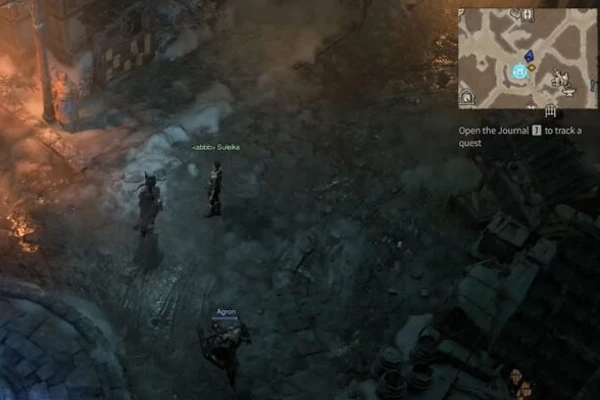
A Legendary or Unique drops clean and tradable. The moment you enchant a stat, temper an affix, or masterwork it, the game marks it account bound. There is no undo. Enchanting a ring because you are curious can cost you a trade worth millions of gold, so if you think you might sell a drop, leave it alone until you are sure.
This matters most with Greater Affixes. A GA item, the kind with the star marker on a maxed out affix, is exactly the piece you should never enchant or temper on impulse. Keep it clean and it sells at the top of the market. Touch it once and that value is gone.
What Is Actually Worth Trading
Knowing the rules is one thing, knowing what to spend gold on is another.
Greater Affixes are the headline. A Greater Affix is a max rolled affix boosted to one and a half times its normal value, and it only appears on Ancestral Legendary and Unique items. The number of Greater Affixes is shown as stars on the item, and that count is the fastest way to read a drop. A clean 1GA or 2GA piece sells well, a 3GA Legendary sells for a lot more, and a 4GA Unique is the kind of drop people build whole budgets around. That is the top of the gear market.
Below that, Runes are the quiet value item, because targeted Mythic crafting burns through them and good ones hold their price. Lair Keys trade hands constantly, and the core set of Varshan, Lord Zir, Beast in the Ice, Grigoire, Duriel, and Andariel materials are all reliable currency. Gold itself is the baseline everything is priced against.
The practical advice is to price everything against gold, sell what drops clean, and only spend on the few needs that gold cannot solve. The market is thin compared to a game with an auction house, which means prices move, and a patient seller usually gets more than the first offer.


