












العربية


Guide
ARC Raiders Weapon Durability




I didn't take ARC Raiders' durability seriously at first. Pick up a gun, shove it in my bag, swap it out when it breaks. Until one day I was running a high-tier zone and my gun ran dry halfway through. I didn't go down, but my weapon died first, and it cost me a whole loadout before it clicked: durability isn't decoration, it's the backbone of this game's economy. After all this time, my biggest takeaway is that understanding durability matters more than understanding gunplay, especially since the devs have been yanking it back and forth across the last few patches and catching a lot of people out.

How a Weapon's Durability Actually Drains
The first thing people get wrong about durability is assuming a worn-down gun gets sluggish, jams, or hits softer, but that's not how it works at all.
- A gun performs exactly the same from 100% durability all the way down to 1%. No damage drop-off, no accuracy loss, no jamming; the only threshold is zero. Hit zero and it's dead, and you can't do a thing with it until you're back at your stash.
- The main way durability drains is firing, one shot chipping away a little at a time. Getting knocked out in PvP costs some too, roughly 15% per down.
- Attachments need to be split up. Tier 1 and Tier 2 mods are mostly pure upside, but a lot of Tier 3 ones carry an "increased durability burn rate" penalty, like the Silencer III or Compensator III, which makes the gun degrade about 20% faster. So don't pile high-tier mods onto cheap guns; save the Tier 3 kit for high-stakes runs.
So stop treating durability as part of a weapon's performance. It's more like a second consumable on top of ammo, and you need to budget for it separately. Once that clicks, the math on repairing versus recycling finally adds up.
Repair or Recycle: How to Actually Do the Math
Where durability really starts to bite is in repairs. Plenty of people run to the repair bench the moment a gun goes red, and end up making the materials more and more expensive, because they never looked at the gap between repairing and crafting.
- Repair before you upgrade. That's the rule that matters most. Upgrading bumps the repair cost up a tier, so if you upgrade first, you've locked yourself into the expensive repair price forever.
- The flip side is that upgrading restores 25% of max durability. That only helps when a gun is moderately worn and you already planned to upgrade it anyway, in which case upgrading first is basically a free touch-up that saves you a chunk of raw repair materials. If it's genuinely run down, that 25% won't cover it and you still need a proper repair.
- Recycling pays out a fixed return that ignores durability and upgrade level, which means the more worn a gun is, the better recycling gets. If advanced materials are your bottleneck, just recycle it without a second thought.
- Don't repair a gun to full for routine farming. Leaving it around 15 durability is enough for a normal run; save the full repair for high-stakes raids where you won't mind losing it if you die.
The whole thing, put plainly, is don't make a losing trade. Materials are scarce, so watch what you're actually short on. Choked on high-grade parts? Recycle. Short on magnets? Repair a lightly worn gun instead. There's no one-size-fits-all answer.
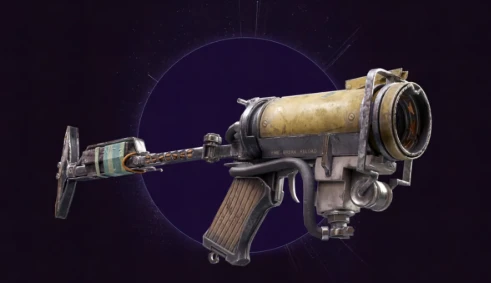
The Devs Keep Re-tuning It, So Here's Where Things Stand
Honestly, half the reason durability is so hard to get a handle on comes down to the devs themselves. The last couple of versions have rewritten it several times over.
- The Riven Tides update hit common guns hard. White-tier guns lost durability over 70% faster per shot, uncommon 50% faster, rare 35% faster, while epic and legendary actually got more durable.
- Found weapons also started spawning with an average durability of 30 instead of 50, a pretty clear nudge toward locked rooms and high-tier zones.
- Players complained loudly enough that in 1.29 the devs admitted they'd gone too far, and raised the shots-to-break on a batch of guns, with the Renegade jumping by 54%.
- Around then there was also a free-repair exploit where you could swap weapon slots and pick the gun back up to game extra durability. The devs have said they'll act on it, so leave it alone. Saving a few parts isn't worth a ban.
So durability is sitting in a stable spot after the rollback, a lot softer than the worst of it, but the underlying economy hasn't changed. What you can do isn't complain about the numbers; it's work within the system and plan your materials around it.
Get the hang of it and you'll realize durability isn't all that mysterious. It boils down to one line: guns are consumables, materials are the real currency. When to repair, when to recycle, when to upgrade all comes down to what you're holding back on, and sorting out that math beats memorizing any guide. Don't let the number changes spook you. However much the devs tune it, the core of durability never shifts, and once you stock up on it like you would ammo, running maps starts to feel a lot steadier. The people who last in this game aren't necessarily the best shots. They're the best bookkeepers.


