











العربية


Guide
ARC Raiders Crafting Guide




When I first started playing ARC Raiders, my backpack was bursting every single extraction. I grabbed everything — screws, circuit boards, capacitors, you name it — because hey, you never know what you might need, right? Then I'd get back to base, open my stash, and realize I still couldn't craft the one thing I actually wanted. It took me way too many runs to figure out that crafting in this game isn't about how much you pick up. It's about picking up the right things. What you're missing isn't more materials. It's understanding which parts go with which blueprints.
Blueprints Come First — Get the Order Right
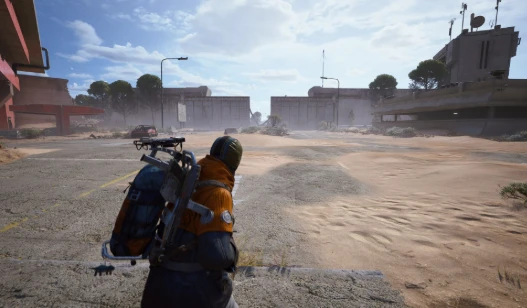
ARC Raiders handles crafting differently from a lot of other PvPvE extraction games. You don't just gather parts and start making things. You need the blueprint first, and only then can you start hunting for the specific materials it asks for. Without the blueprint, all those shiny components in your stash are just dead weight. I ran this whole process backwards for my first twenty hours, and I know I wasn't the only one.
The smarter workflow is the reverse: secure the blueprint, check what materials you're short on, then head into a raid with a specific target in mind. Here's what eventually worked for me after plenty of trial and error:
- Blueprints first, materials second: Before you queue up, check your crafting bench and figure out exactly which blueprint you're missing. Then pick your mission accordingly. Certain map zones — factory floors and lab sectors especially — have noticeably higher drop rates for weapon attachment blueprints. Walking into a raid without knowing what blueprint you're after is a reliable way to walk out with nothing you can use.
- Blueprints are tradeable, so don't grind yourself into the ground: I've watched people spend an entire weekend farming one SMG blueprint. Meanwhile, the in-game player market lets you list your duplicate blueprints and trade for the ones you actually need. Ten minutes of market work beats ten hours of bad RNG every single time.
- Don't unlock every variant of the same blueprint: A base blueprint can branch into several variants — suppressed, extended magazine, different optics. It's tempting to unlock them all immediately, but when materials are tight, just build the one variant you'll actually run in your main loadout. You can circle back for the others once your material stockpile is healthier.
Once the blueprint logic clicks, the biggest change is mental. Every raid has a purpose. You're not out there 'searching for stuff.' You're hunting one specific component. That shift alone does more for your progression than any gear upgrade.
Not All Materials Are Equal — Stop Treating Rare Parts Like Trash
After finishing my first set of rare armor, I noticed I had over twenty high-grade alloys sitting in my stash. I had no idea they were valuable — I'd been trading them away for low-tier screws more times than I can count. ARC Raiders dumps industrial components and common materials into the same inventory screen, and it's way too easy to overlook the good stuff. By the time you realize what those rare parts are actually worth, half of them are already gone.
Material management sounds straightforward, but there are a few traps that catch almost everyone at some point:
- Know the difference between industrial and common parts: High-grade alloys, precision circuit boards, and military-grade chips are the three core components for crafting high-tier gear — and they're the hard currency of the player market. Common screws, iron plates, and copper wire are high-volume but low-value bulk materials. Don't hoard them. List the excess on the market regularly and free up the space.
- Never sell blue-quality materials or above: Parts salvaged from blue-tier gear get consumed in massive quantities when you're crafting T3 and T4 equipment later on. Early-game you might think 'I won't need these,' but mid-game you'll be tearing your stash apart trying to scrape together enough for a single T4 set.
- Clean your stash regularly, but never use the one-click clear button: Spend five to ten minutes every weekend tidying up. If you've got more than two full stacks of any single material, sell the overflow. But do not use the 'sell all gray items' button — some unassuming common materials are mandatory ingredients in surprisingly valuable recipes.
The bottom line: treat your stash like a buffer, not a museum. If you can't explain what you're going to use a component for within the next week, it doesn't deserve the slot.

Salvaging Pays Better Than Selling — If You Do It Right
When I started out, any weapon I didn't need or piece of gear I'd outgrown went straight to the vendor. My logic was simple: get the cash and move on. Then one day I salvaged a blue SMG on a whim. Three tactical-grade components popped out, each one worth more on the market than the entire gun would have sold for. I haven't sold a single piece of blue gear or above since.
Salvaging has more depth than I initially gave it credit for, and missing these details costs you over the long run:
- Salvage everything blue and above; only sell gray, white, and green: Components from salvaged blue gear average 30–50% more value than outright selling the weapon, depending on your server's material economy. White and green items mostly yield common materials, so just vendor those for convenience.
- Pay attention to your salvaging tool's durability: Higher-tier salvaging tools extract more components per use, but they degrade with every operation. If you're doing field salvages with a portable tool, you'll get fewer parts than if you bring the gear back to base and use the workbench. Plan your bag space accordingly.
- Check the market before salvaging gear with good affixes: A blue weapon with strong modifiers can sell for several times the material value on the player market — especially rolls that PvP players are actively chasing. Do a quick market search before you strip it. That extra thirty seconds of research has made me more currency than any single raid.
If I had to boil all of this down to one sentence: ARC Raiders' crafting system isn't complicated, but the order of operations isn't obvious when you're starting out. Blueprints first, materials with purpose, salvage don't sell, and clean your stash on a schedule. Nail those four habits and your entire gear progression pipeline smooths out in a way that grinding never will.


